Pets in Action Shots: Fur, Gaze and Movement
Framing, short duration and material prompts for dogs and cats in AI scenes without the plush-toy effect or human eyes.
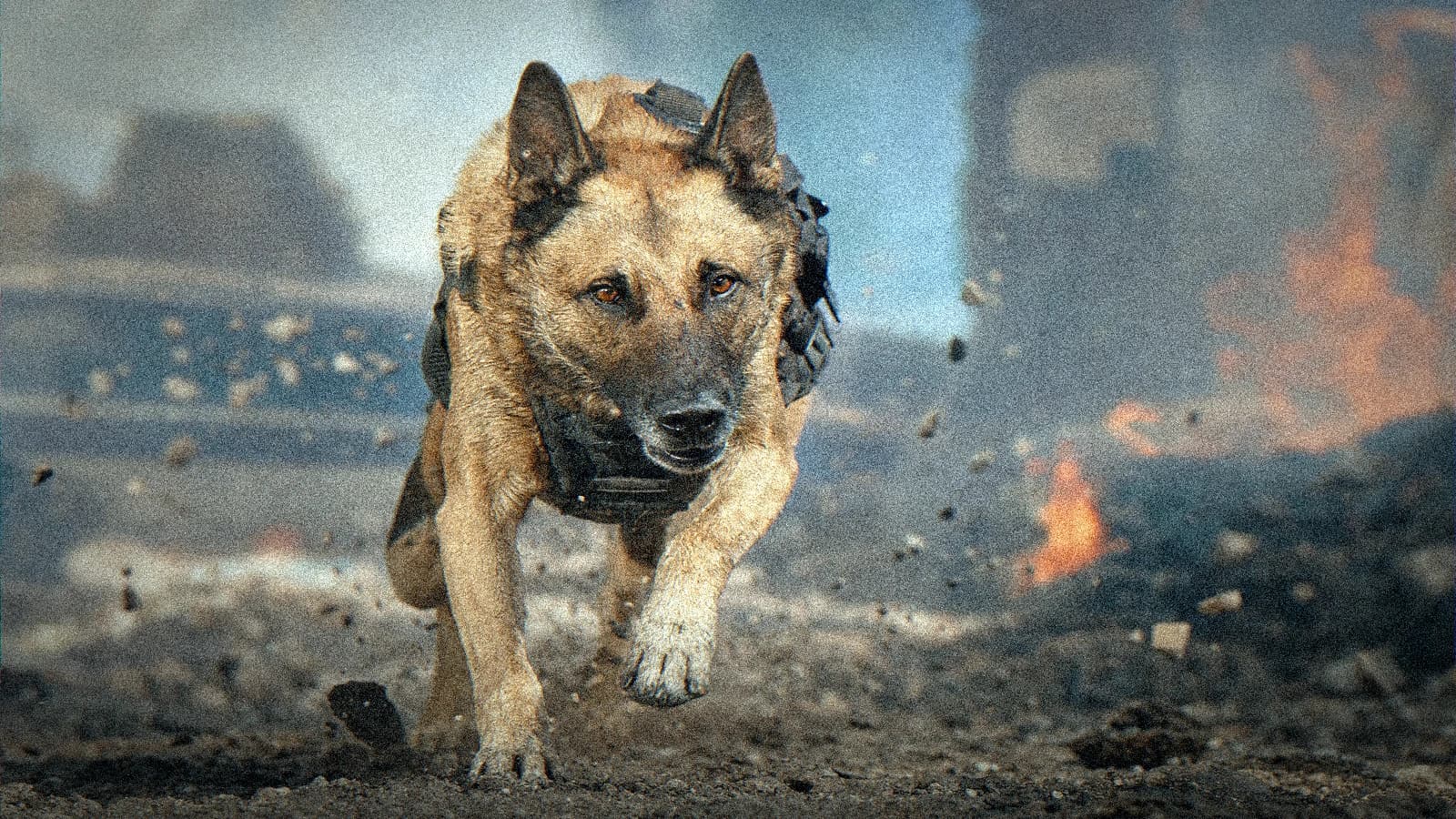
A dog running, a cat jumping, a leash pulling taut, an ear reacting to the wind: that is where AI video engines show their real level. The pet is a hard subject because it combines complex texture, subtle anatomy and fast movement. If you miss a single one of those three axes, the render becomes an animated plush toy.
The good news is that you can output credible shots with a strict method. The bad news is that you have to forget the long heroic shots at the start. With animals, cutting discipline makes the difference between a broadcast-ready clip and a fragile demo.
This guide gives you a result-oriented workflow: readable fur, a living gaze, plausible action, a clean cut in the edit, and client validation with no endless discussions.
Why pets break quickly in AI
The failures always come back to the same points:
-
Fur too uniform The model smooths the material and you lose the direction of the strands.
-
Anthropomorphic eyes The gaze becomes too human, too frontal, too frozen.
-
Floating anatomy Legs that change length, shoulders that slide, an inconsistent tail.
-
Action too ambitious Jump + rotation + moving camera + busy background = guaranteed instability.
-
Excessive duration The longer the shot lasts, the more the engine invents.
The winning reflex: simplify one variable at a time and edit afterward.
Prepare your shot like a mini shoot scene
Before generating, define these elements:
- species and breed;
- apparent age;
- coat condition (clean, wet, long hair, short hair);
- emotional state (calm, curious, excited, anxious);
- type of action (straight run, short jump, stop, gaze, interaction);
- environment;
- dominant light;
- camera constraint.
This preparation forces consistency. Without it, the tool improvises and mixes incompatible signatures.
Fur: how to keep a living texture
Credible fur relies on micro variation. Avoid descriptions that are too smooth.
Good practices:
- specify the coat direction;
- indicate density and length;
- describe the fur behavior in movement;
- keep a moderate contrast.
Example of an effective intention:
short dense fur, subtle strand variation, natural sheen, no plastic smoothness
The fur does not need to be ultra sharp everywhere. It must be consistent with the camera distance and the light.
Animal gaze: avoiding the human effect
The eyes are the first point of rejection.
What breaks:
- irises too large;
- sclera too visible;
- gaze too centered on the camera;
- artificial blinks.
What works:
- a lateral or oblique gaze;
- a micro head movement;
- a point of attention off-frame;
- ocular reflections consistent with the source.
A dog does not "act out" a dialogue. It reacts. That nuance changes everything.
Action: short shot, clear intention
For an animal action shot, first aim for:
- 2 to 4 seconds;
- a single main action;
- a stable camera or very modest movement.
Robust examples:
- a dog passing in front of the camera at a trot;
- a cat jumping onto a sofa;
- a dog braking and turning its head;
- a cat following a light object.
Risky examples:
- a long chase with rotations;
- a multiple interaction between several animals;
- going from shadow to full light in a single shot.
Framing: what you should favor
Reliable shots
- a lateral medium shot;
- a slight front 3/4;
- a fixed low shot with a passage through the frame.
Fragile shots
- long frontal shots;
- very tight close-ups of legs at speed;
- very wide shots with many fine elements.
The idea is to give the engine stable landmarks.
Recommended production pipeline
Step 1: fixed pilot
Validate a still image where the anatomy and fur are clean.
Step 2: short animation
Launch 4 variants of 3 seconds max.
Step 3: A/B/C selection
Watch on loop and classify:
- A: usable;
- B: recoverable;
- C: reject.
Step 4: local retouching
Fix the critical zones:
- eyes;
- legs;
- ears;
- the outline of the muzzle.
Step 5: editing
Assemble several short shots rather than one impossible shot.
Special animal QA table
| Criterion | Check | Status |
|---|---|---|
| Anatomy | Leg length and posture consistent? | OK/Reject |
| Fur | Natural texture with no plastic effect? | OK/Reject |
| Gaze | Credible animal expression? | OK/Reject |
| Movement | Readable action with no sliding? | OK/Reject |
| Light | Consistent reflections on eyes and coat? | OK/Reject |
| Continuity | Cut with the following shots? | OK/Reject |
This grid avoids validations on feeling.
Concrete case 1: dog in an urban park
Goal: positive energy for a local campaign.
Initial problem: fur too smooth and unstable hind legs.
Fix:
- increased camera distance;
- action simplified to a steady trot;
- shot split into two segments;
- added park sound ambience.
Result: credible movement and the feel of a real scene.
Concrete case 2: cat in a design interior
Goal: elegance and softness.
Trap: eyes too human under soft light.
Fix:
- off-center gaze;
- a single side light source;
- a short micro jump toward the sofa;
- cut before facial drift.
The shot looks natural because it does not overact anything.
Concrete case 3: dog and child duo
A sensitive subject because of the multi-subject interaction.
Approach:
- favor separate shots;
- show the interaction in shot/reverse-shot;
- avoid complex contact in a single shot;
- reinforce the sound continuity.
The edit creates the relationship without exposing the model's limits.
Sound design for animals
Sound sells the living material:
- light breathing;
- claws on the floor depending on the surface;
- a discreet collar or harness;
- the location ambience.
Without sound, the animal seems to slide. With consistent sound, it regains weight.
Grading: preserving the textures
Be careful with the grade:
- too much contrast destroys the fine fur;
- too much saturation makes the coat artificial;
- aggressive sharpening turns the gaze into glass.
Recommended pipeline:
- exposure;
- temperature;
- soft local contrast;
- selective color;
- a very light grain.
Managing narrative safety
If the content involves children, leashes or intimate interactions:
- favor visual clarity;
- avoid ambiguous gestures;
- control the consistency of distances.
Even in AI content, the behavioral reading must stay healthy and credible.
Friction-free client delivery
Prepare a clear pack:
- main master;
- social version;
- a note on creative choices;
- owned limits.
A client validates faster when the method is readable.
Final checklist
- stable anatomy;
- natural animal gaze;
- fur consistent with the light;
- readable action;
- clean cuts;
- sound in place;
- validated mobile test.
Foire aux questions
Réponses rapides aux questions les plus fréquentes sur cet article.
Why does my dog look like a plush toy?
Often because of excessive smoothing and flat light. Reinforce the fur variation, specify the strand orientation and avoid artificial contrast.
How do I avoid human eyes on a cat?
Off-center the gaze, reduce the frontality, and keep ocular reflections consistent with a simple source.
What shot duration should I aim for at the start?
Two to four seconds. It is short, but it is stable and simpler to edit.
Should I show complex interactions between animals?
Not on the first pass. Start with simple actions and use the edit to build the scene.
Is sound essential?
Yes. Without sound texture, the animal looks light and artificial.
How do I handle a difficult long-haired breed?
Tighten the framing, reduce the action speed, and avoid brutal light transitions.
A good AI animal shot does not try to show everything. It captures an accurate behavior, a credible material and a readable emotion. That is enough to convince.
Advanced workshop: dogs running and cats jumping
For running dogs, the classic mistake is to ask for a full-frame sprint with a moving camera. Start instead with a dynamic trot, then progressively increase the perceived speed in the edit. The viewer reads the energy in the cutting rhythm as much as in the absolute speed.
For cats, the main difficulty is the front/rear-body transition at the moment of the jump. A robust solution is to split into three micro shots:
- preparing the jump;
- the push-off;
- the landing.
Each shot is short and targeted. You recover a complete action without asking the engine to hold the whole cycle at once.
Managing backgrounds
A background that is too detailed steals consistency resources from the main subject. For animals in motion:
- simplify the repetitive textures;
- avoid fine fences that are too present;
- limit aggressive geometric patterns.
You want the eye to follow the animal, not to detect a wall that breathes.
Behavioral QA
In addition to technical QA, run a behavioral QA:
- does the animal react plausibly to the context;
- does the posture match the intended emotion;
- are the distances with humans credible.
This check is crucial in brand content. A technically clean but behaviorally wrong movement does not pass.
Additional FAQ
How do I handle a shot in the rain with a dog? Reduce the complexity. Keep a moderate level of rain and focus on the subject. Too much water + fur + speed quickly breaks the stability.
Can you mix real footage and AI? Yes, with a unifying grade and homogeneous sound. It is even often the most solid path for demanding projects.
What is the number one rejection signal? The drift of the front legs. It is the defect the audience sees without being able to name it.
How do I optimize for Reels and TikTok? Shorten the shots, reinforce the readability of the central subject and check that the gaze stays clear at small size.
Animal directing: thinking behavior before aesthetics
A credible animal shot does not start with "what look", but with "what behavior". A dog that brakes sharply, sniffs, sets off again. A cat that observes, hesitates, pounces. These natural micro sequences are worth more than an artificial spectacular movement.
Ask three questions before generating:
- what exactly is the animal doing;
- why is it doing it in the scene;
- how long does this behavior stay plausible.
This logic avoids the actions that are too long and become mechanical.
Breeds and morphologies: frequent traps
Not all breeds react the same in AI.
Brachycephalic dogs
Risk: a distorted muzzle and inconsistent visual breathing.
Strategy:
- shorter shots;
- a 3/4 angle;
- avoid close-ups in fast movement.
Long-bodied dogs
Risk: legs that change length.
Strategy:
- moderate speed;
- a less detailed background;
- simplified running cycles.
Long-haired cats
Risk: an unstable mass of fur.
Strategy:
- soft directional light;
- less abrupt movement;
- clean subject/background separation.
Human-animal interaction without artifacts
Direct interactions are sensitive: a hand on the coat, holding in the arms, a taut leash.
Robust method:
- split the interaction into micro actions;
- avoid long takes of complex contact;
- use insert shots to link the action.
Example:
- shot 1: human crouches down;
- shot 2: dog approaches;
- shot 3: partial frame of the hand;
- shot 4: gaze reaction.
The brain reconstructs a continuous interaction, without forcing the engine to simulate everything at once.
Sets and floors: a direct impact on credibility
The floor helps sell the weight and the anchoring.
Grass floor
Risk: floating legs if the texture is confused.
Action:
- reduce the background complexity;
- keep a clear contact shadow;
- limit the speed.
Tile floor
Risk: unwanted visual sliding.
Action:
- control the reflections;
- add a discreet claw sound;
- avoid lateral movements that are too long.
Interior wood floor
Risk: texture repetition that distracts.
Action:
- well-managed depth of field;
- simple reframing;
- consistent footstep sound.
Behavioral sound: what changes the perception
For pets, the sound must not be caricatural.
Good balance:
- light breathing;
- floor contact;
- small collar movements;
- the context ambience.
Avoid loud sound effects that make the shot cartoonish.
Color grading coat and human skin
If your shot contains a human + an animal, color consistency is critical.
Trap:
- correcting the human skin and destroying the coat texture;
- or the reverse.
Approach:
- global primary correction;
- selective coat adjustment;
- selective skin adjustment;
- check of the shared shadows.
The two materials must coexist with no conflict.
Realistic production schedule
For a 20-second animal sequence:
- 30 min brief + references;
- 60 min generation of the key shots;
- 30 min local retouching;
- 40 min editing and sound;
- 20 min multi-device QA.
This plan avoids unproductive all-nighters.
Client management in animal content
Client feedback on animals is emotional. They often say "we do not feel our dog" rather than "the leg is unstable".
Propose an emotional validation grid:
- faithful gaze;
- faithful posture;
- faithful energy;
- scene consistency.
Complete it with a technical grid. You combine emotion and rigor.
Editorial safety QA
Even in AI, check:
- the absence of gestures perceived as dangerous;
- the consistency of distances with children;
- a non-stressful posture of the animal;
- overall ethical readability.
Animal brand content is sensitive. Anticipating avoids controversies.
Additional FAQ 2
How do I make a credible wet dog? Reduce the movement complexity, specify "damp fur with clumped strands", and keep a light that reveals the strands without smoothing them.
Can you create an intense play shot with several dogs? Possible, but fragile. Prefer an alternation of individual shots and short group shots.
How do I avoid the doll-eyes effect? Lower the overly strong ocular reflections, avoid frontality, and keep a natural head movement.
Should I favor a simple set? Yes, especially in the iteration phase. A set that is too rich consumes the stability the subject needs.
What is the best length for the final sequence? For social, 10 to 20 seconds edited from very clean short clips.
How do I handle a glitching leash? Avoid the shots where the leash crosses the whole frame in extreme tension. Use inserts and cuts to suggest continuity.
Final workshop: mini team review protocol
When you work in a team, run a three-level review:
- level 1: anatomy and behavior;
- level 2: light and texture;
- level 3: narrative and rhythm.
Each level has a simple decision: validate, correct, reject.
This protocol prevents endless discussions and keeps the focus on the perceived quality.
A successful animal shot is rarely the most complicated. It is often the most accurate.
Advanced block: continuity of the same animal across several shots
The real production test is continuity. A dog that changes muzzle from one shot to another breaks the narrative.
Practical method:
- create an identity sheet: visual, coat, collar, resting posture, gaze;
- keep the same lighting logic;
- limit extreme angle changes between consecutive shots;
- check the cuts in continuous playback, not only shot by shot.
If a shot is excellent but breaks the identity, replace it. Character consistency is worth more than an isolated spectacular shot.
Mini animal continuity checklist
- identical coat color;
- consistent fur length;
- compatible behavior;
- plausible breathing rhythm;
- stable relationship to the set.
This mini check saves you very costly client feedback.
Final sprint before publication
Before exporting, take ten minutes for a last sprint:
- continuous playback of the whole sequence;
- spotting the 2 most fragile shots;
- minimal local correction;
- mobile test with sound;
- quick team validation.
You have to come out with a simple feeling: the animal still looks like the same animal from start to finish, in its energy, its texture, and its relationship to the set. If that point is validated, the video is ready.
Always add a dedicated "gaze" pass: put the timeline full screen, cut the sound, and observe only the eyes and the head. If you feel an expression too human or a strange fixation on the camera, fix it before delivery. This detail seems minor, but it is often the one that triggers the "it looks fake" comment from the audience.
When this test passes, your shot is generally robust in public distribution.
To finish cleanly, also archive a "safe" version slightly less ambitious in movement. This variant serves as a backup if a platform compresses harder than expected. It is a simple habit that protects the perceived quality and avoids late feedback.
This little backup avoids many emergencies.
Related articles
 Tutoriels
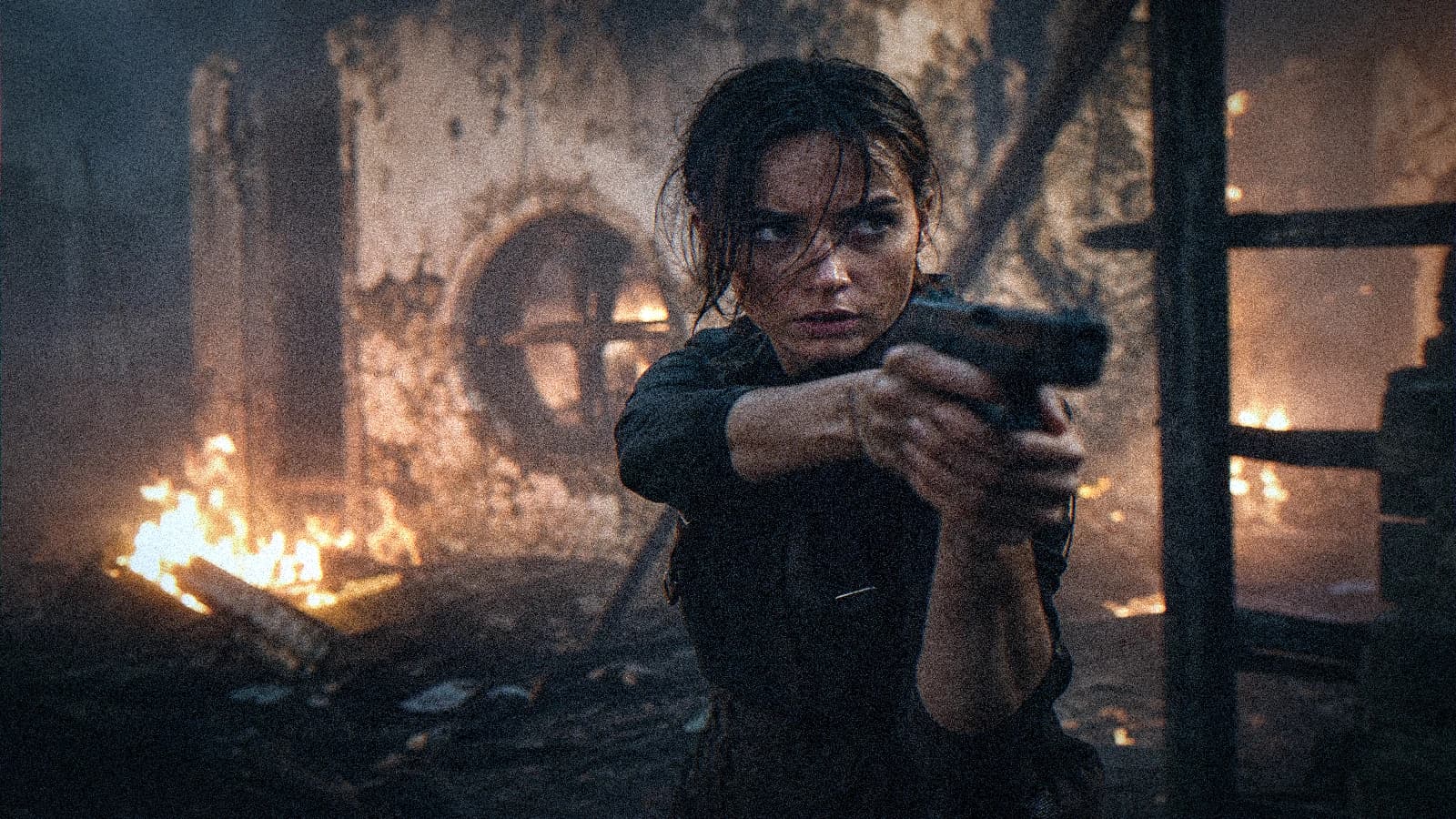
Pika Labs vs Runway: Choosing the Right Engine for an Action Shot
A field comparison on movement, hands, duration and post to decide in twenty minutes which engine carries your action shot.
 Tutoriels
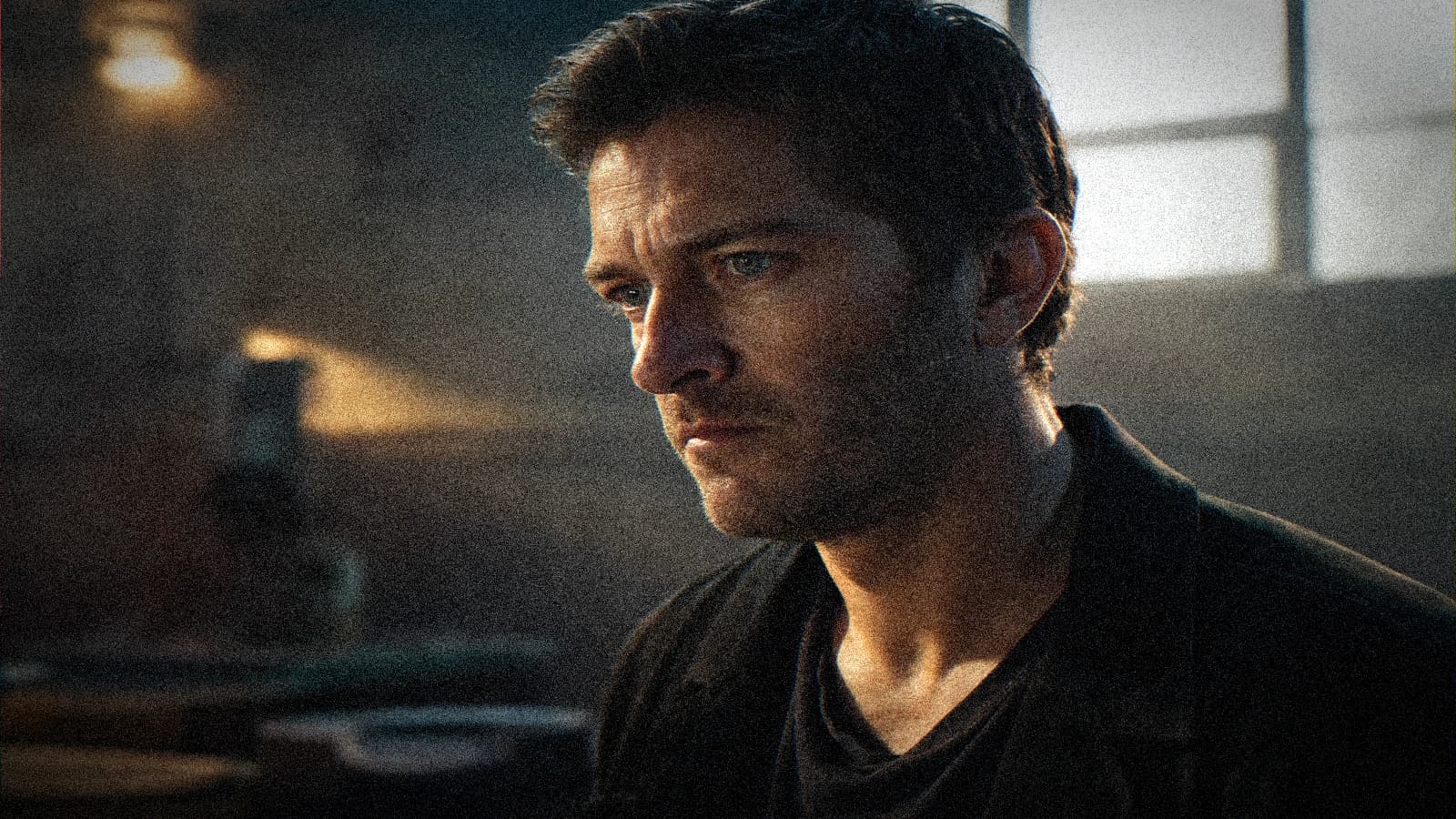
IP-Adapter and References: Locking a Face Across Several Shots
References method, weights, safe angles and matches to keep the same face from one shot to another with no mannequin effect.
 Tutoriels
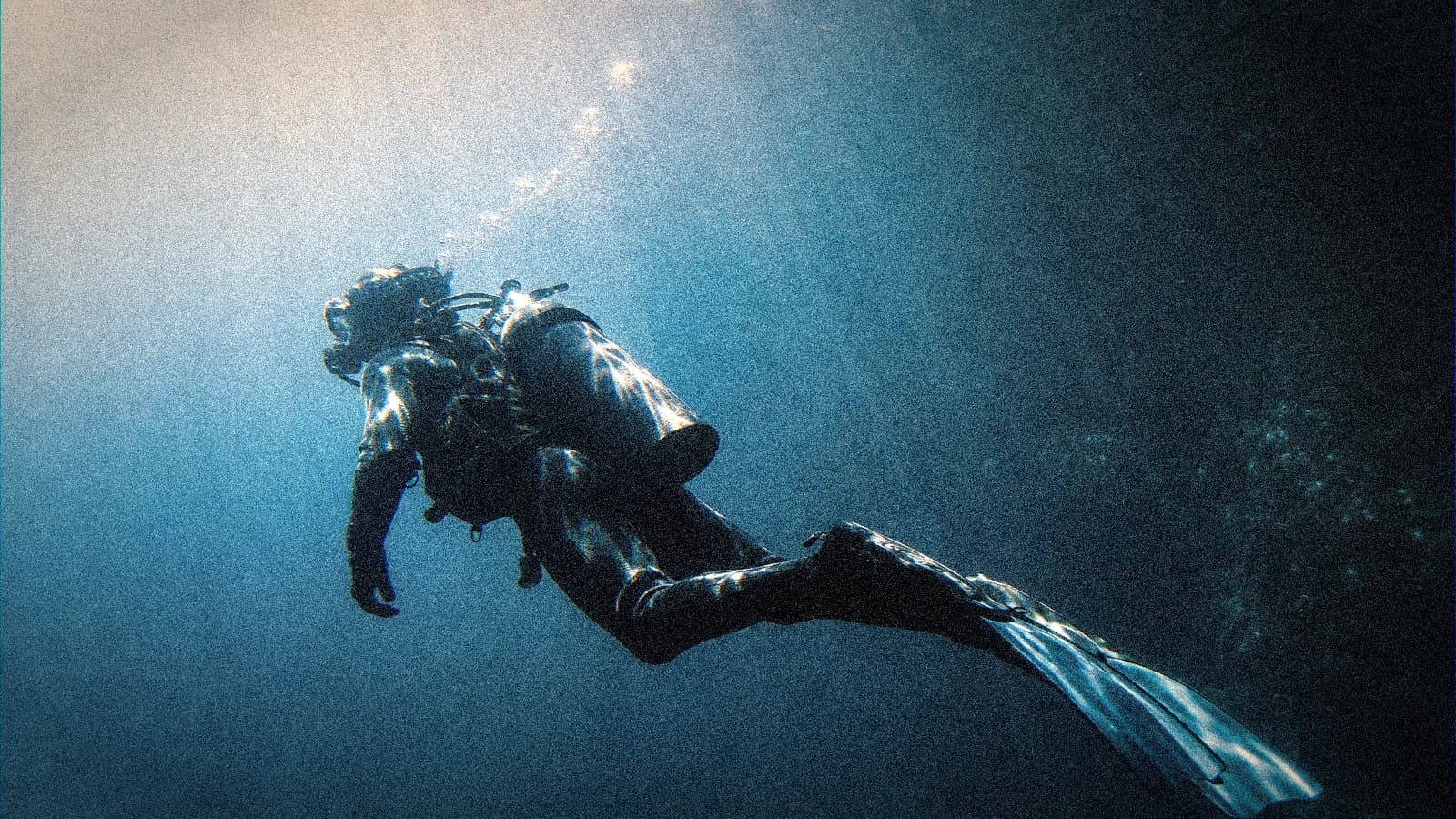
Underwater Shots: Caustics, Limits and AI Workarounds
What the engines hold underwater, when to prefer hybrid compositing, and a validation workflow.