 Tutoriels
AI Portfolio Quality Audit Before the Demo Reel
A reading grid, fake signals, and a correction plan for a reel that convinces creative directors.
TutorielsA reading grid, fake signals, and a correction plan for a reel that convinces creative directors.
 Tutoriels
A 4-week program, exercises, shared QA and skill-building without sacrificing the brand charter.
 Tutoriels
Useful wording, transparency, liability and retouching scope to avoid disputes.
 Tutoriels
What the tool licenses cover, client clauses, and hybrid composer + AI alternatives.
 Tutoriels
Folder structure, legal mentions, visual debts and exports for a credible agency delivery.
 Tutoriels
Variants, metrics, testing ethics and alignment with the video to optimize CTR without toxic clickbait.
 Tutoriels
Loop points, cyclic movement, crossfade and export for seamless loops in 6 and 15 seconds.
 Tutoriels
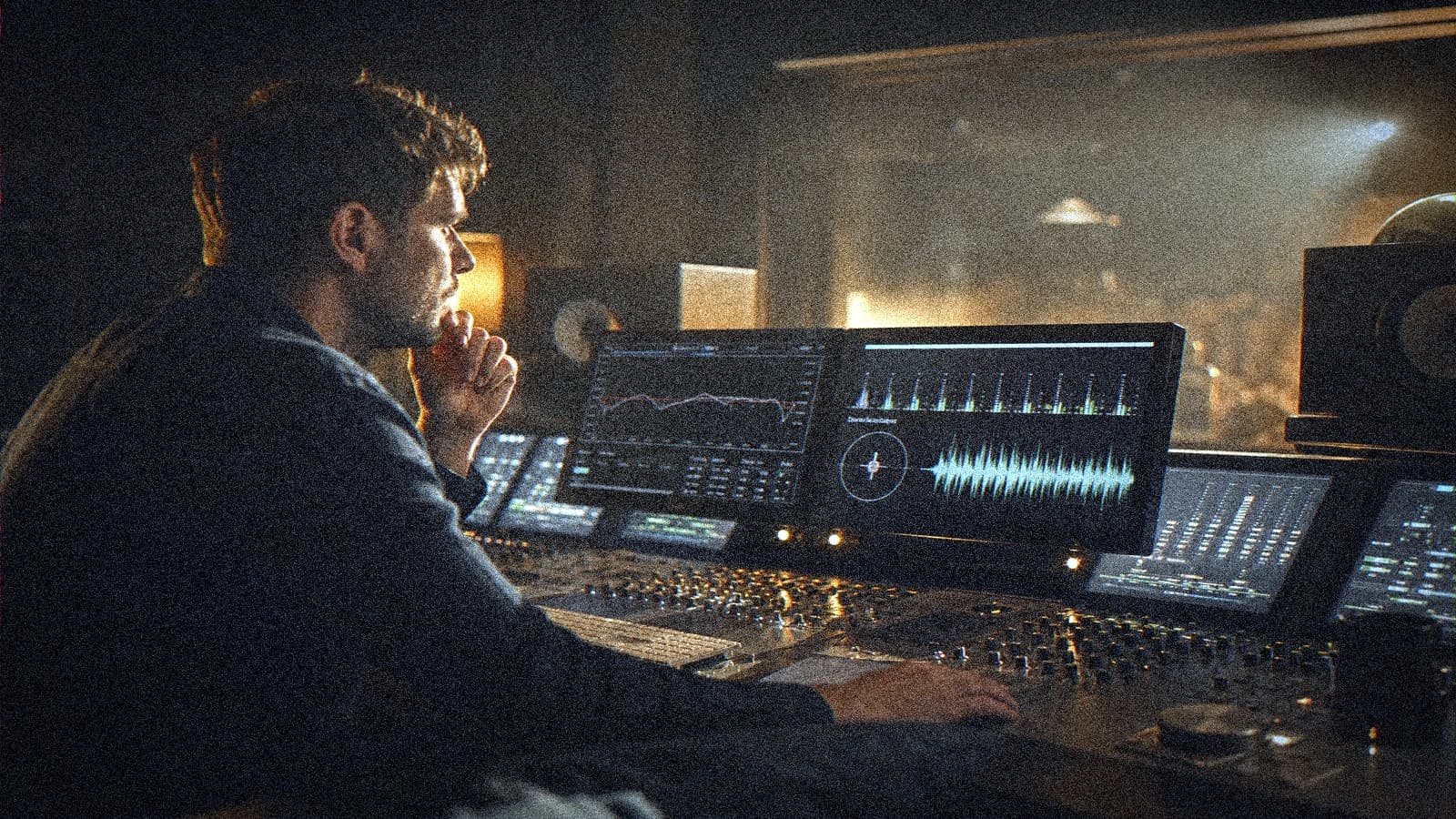
Target LUFS, dynamics and music for masters that pass TikTok, Reels and YouTube without crushing the voice.
 Tutoriels
Takes, phonemes, safe shots and tools for a dubbing that fits the lips with no puppet effect.
 Tutoriels
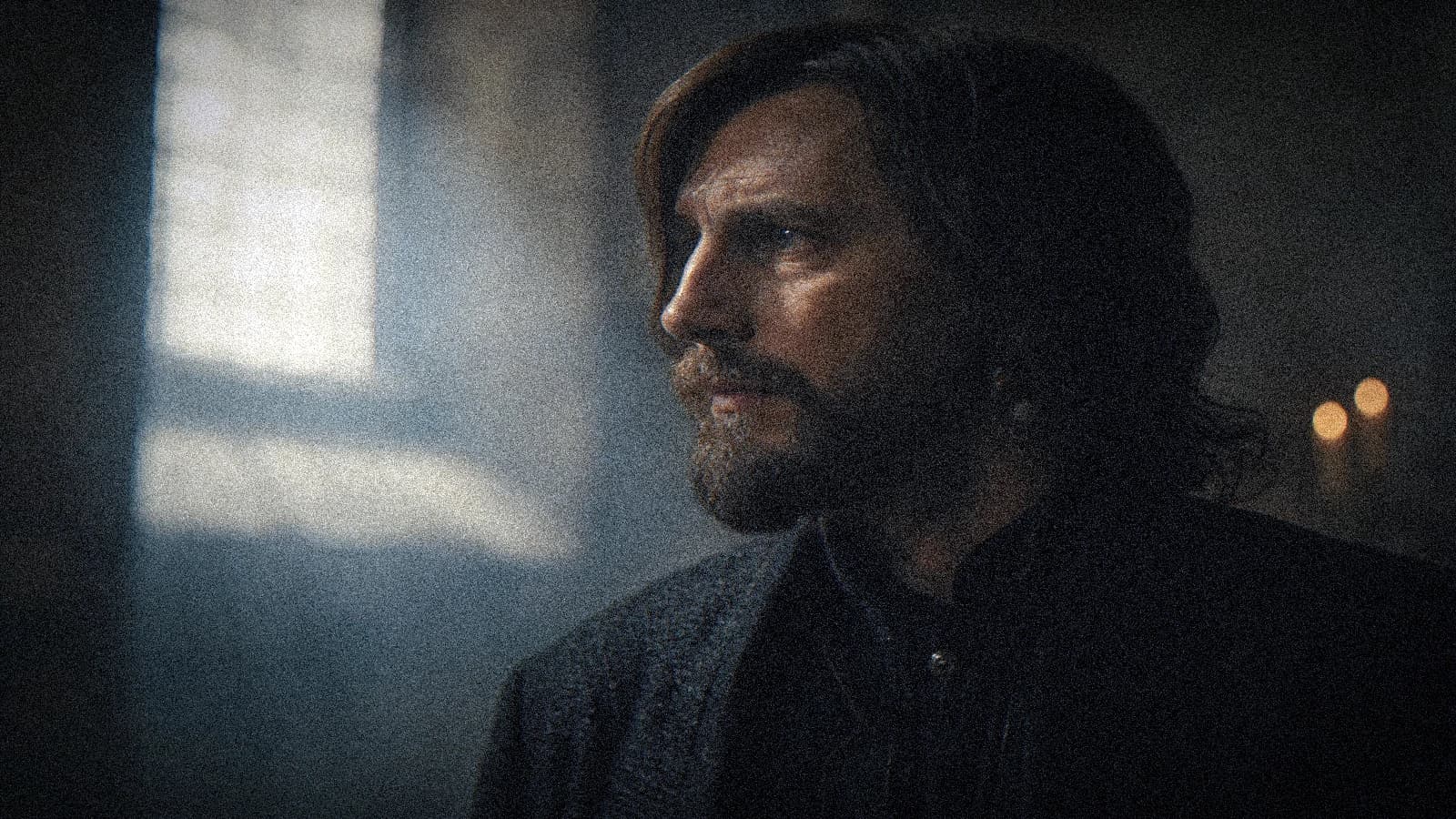
Adapted scripts, voices, rhythm and QA for FR / EN / ES versions without losing the intention of the edit.
 Tutoriels
Readability, contrasts, safe zones and multi-platform export for subtitles that survive compression.
 Tutoriels
When to generate text, when to create it in post, and an After Effects workflow for clean film titles.
 Tutoriels
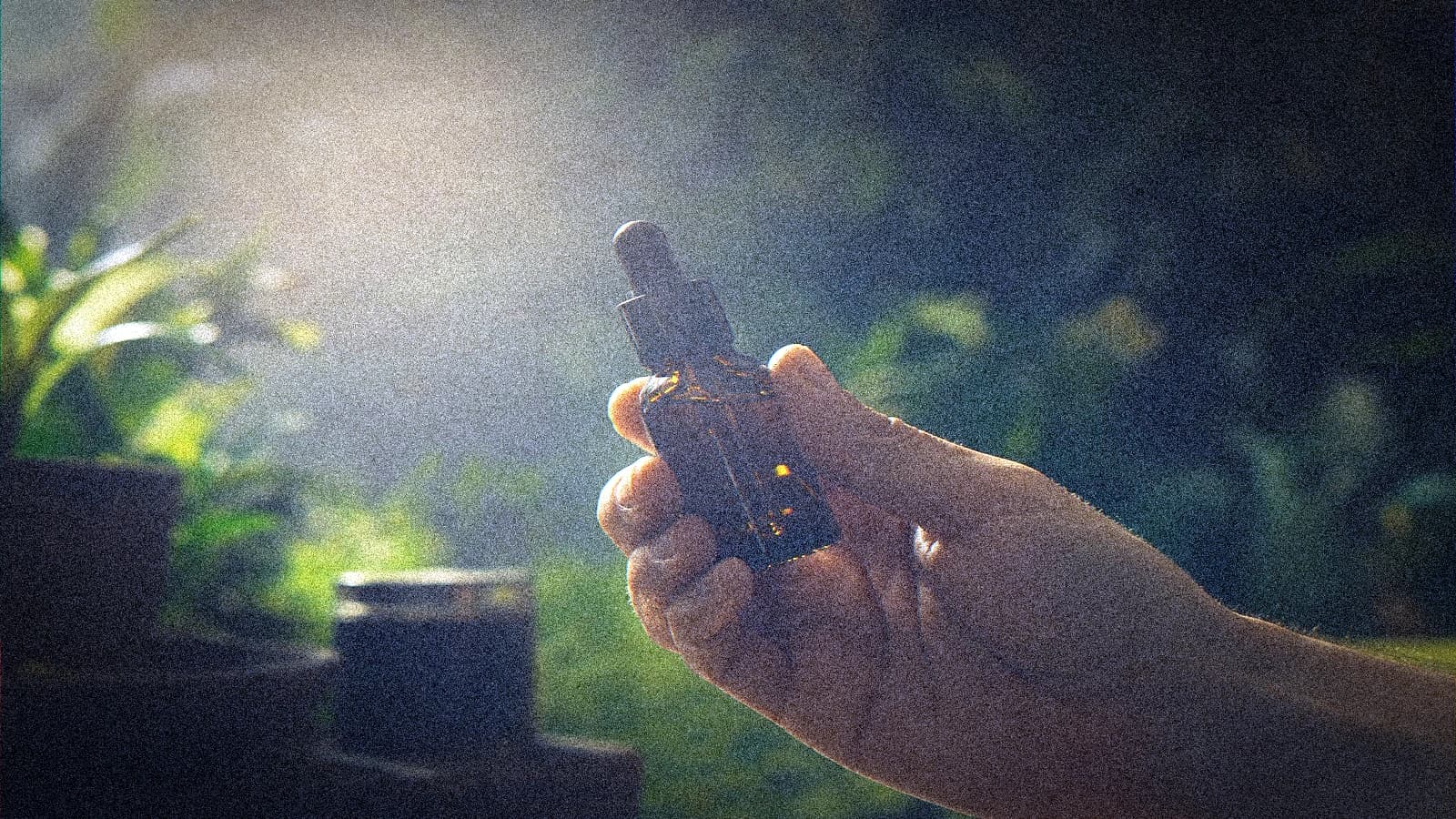
Composition, shared light and inpainting for a credible hand-held packshot in advertising.
 Tutoriels
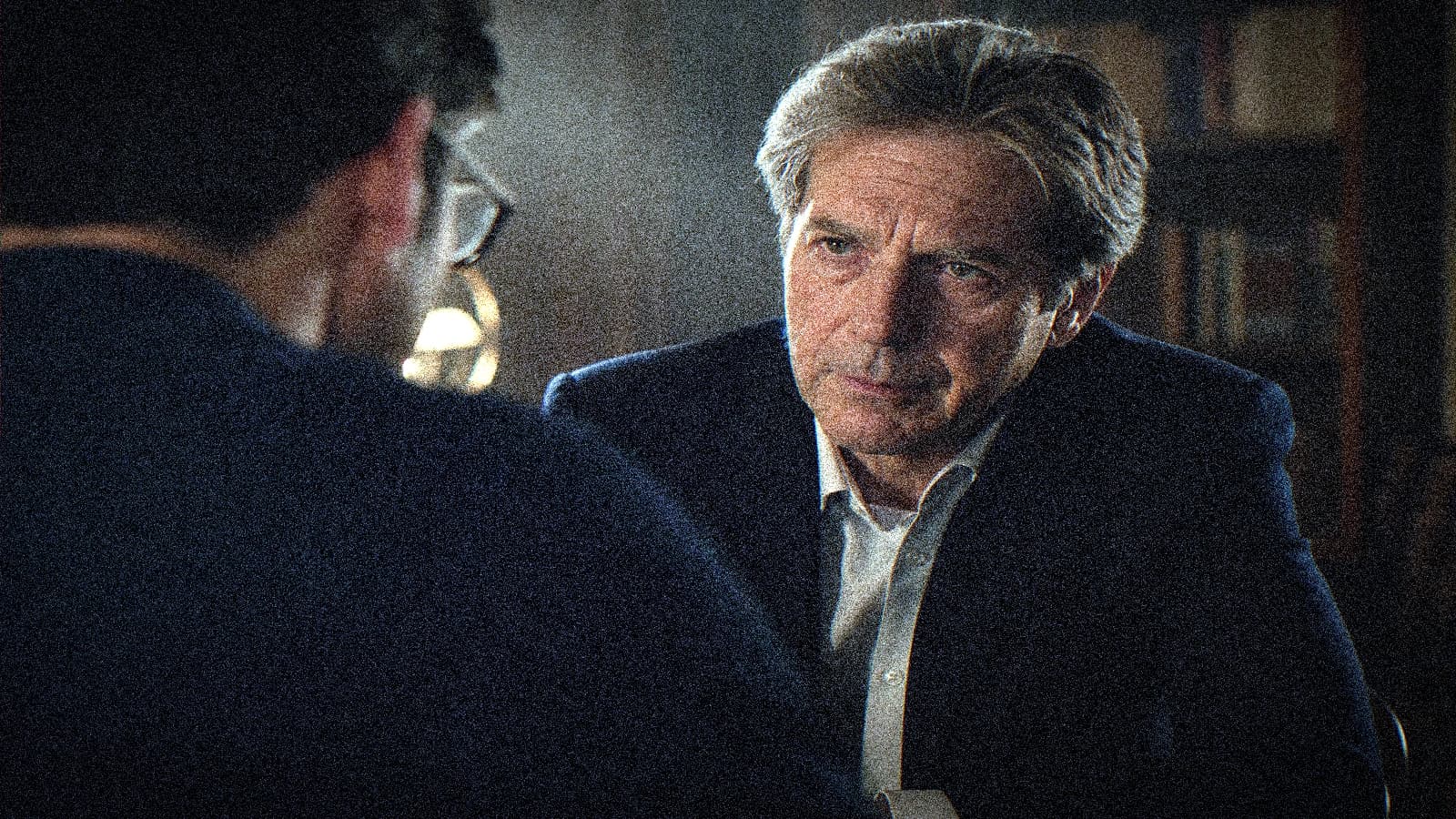
OTS framing, axes and prompts to link two characters without crossing the line of action.
 Tutoriels
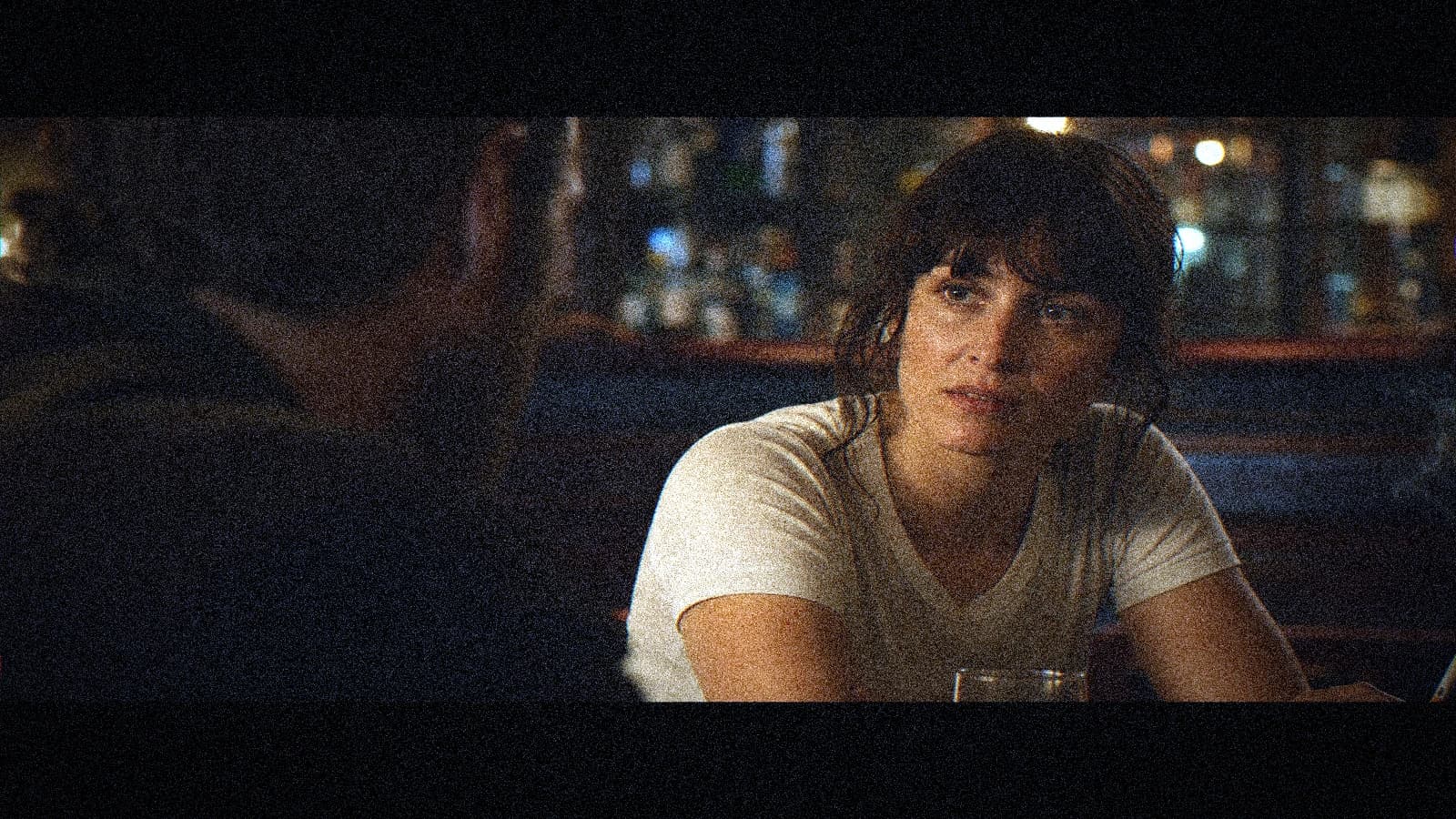
Shot reverse shot, 180° and character sheets for an AI dialogue that does not break at the cut.
 Tutoriels
What the engines hold underwater, when to prefer hybrid compositing, and a validation workflow.
 Tutoriels
Forest shots, volumetric mist, focal length and post to separate planes with no mud or sky HDR.
 Tutoriels
Why AI open spaces turn blue and how to bring back a credible tungsten / window hierarchy.
 Tutoriels
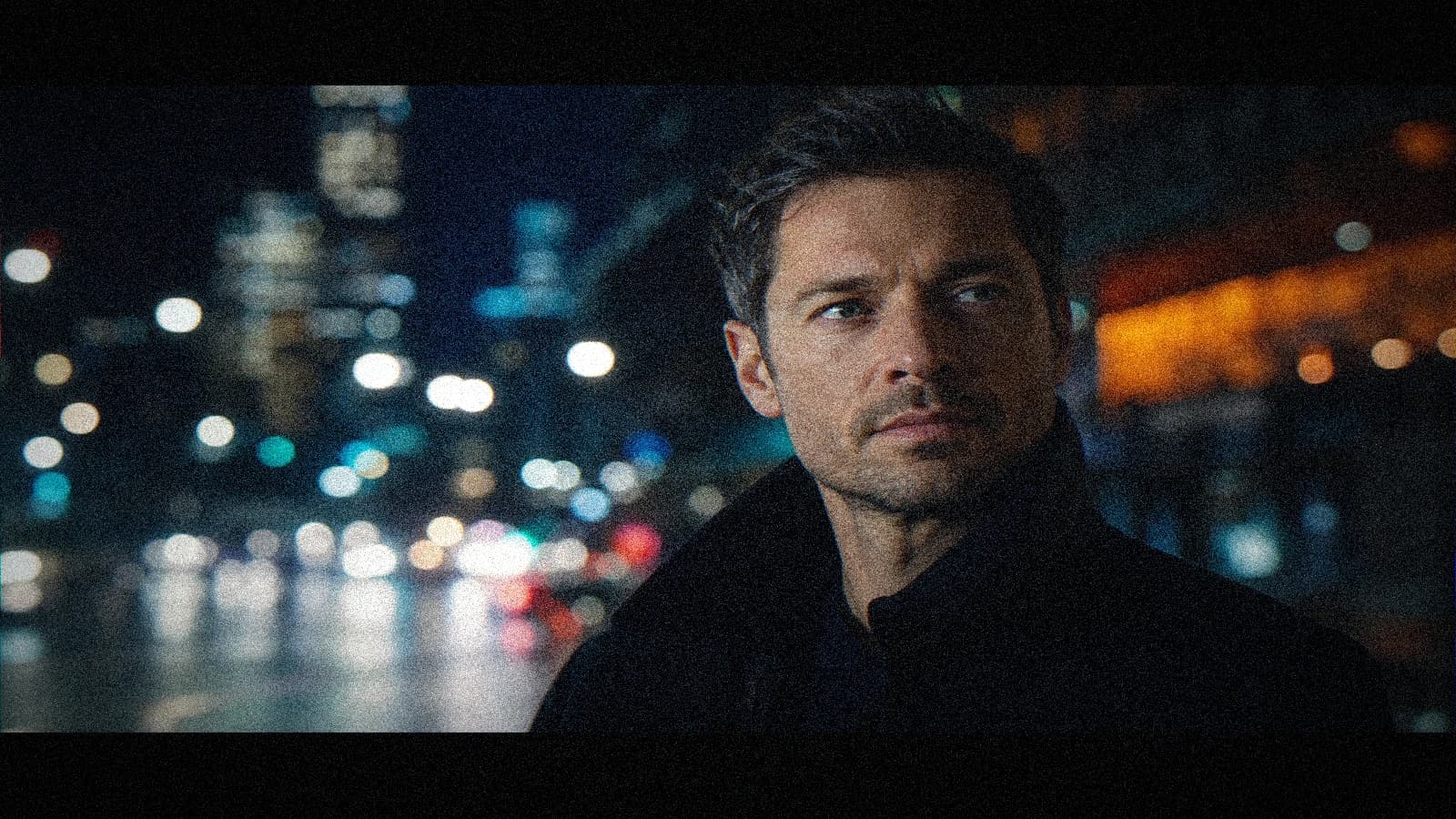
Neon / skin balance, selective saturation and LUT for night shots that stay human.
 Tutoriels
Warm light, particles, backlight and post for credible kitchen steam with no generic haze.
 Tutoriels
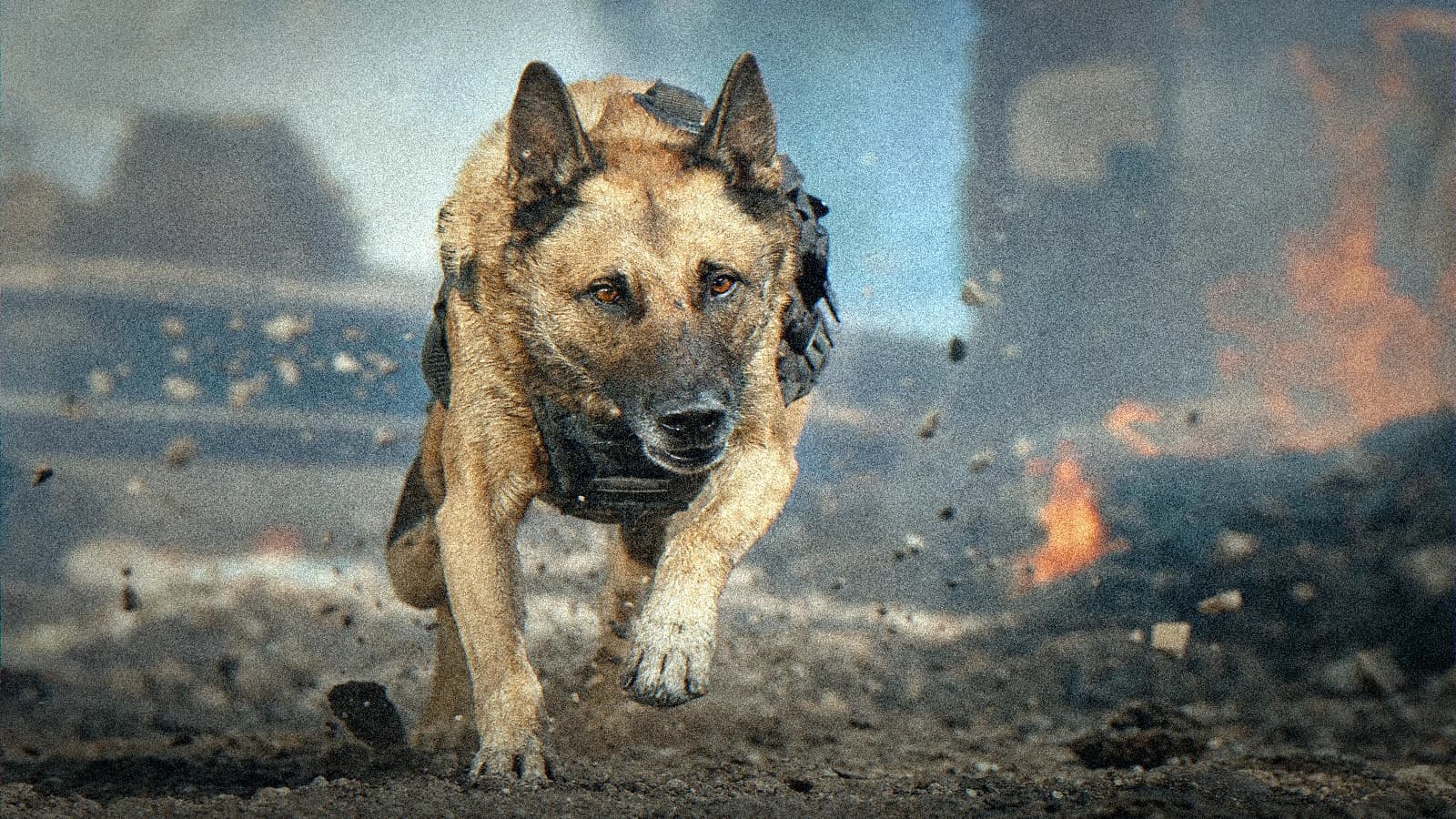
Framing, short duration and material prompts for dogs and cats in AI scenes without the plush-toy effect or human eyes.
 Tutoriels
Field workflow to generate cars and vehicles in motion with credible bodywork reflections, with no drift or video-game effect.
 Tutoriels
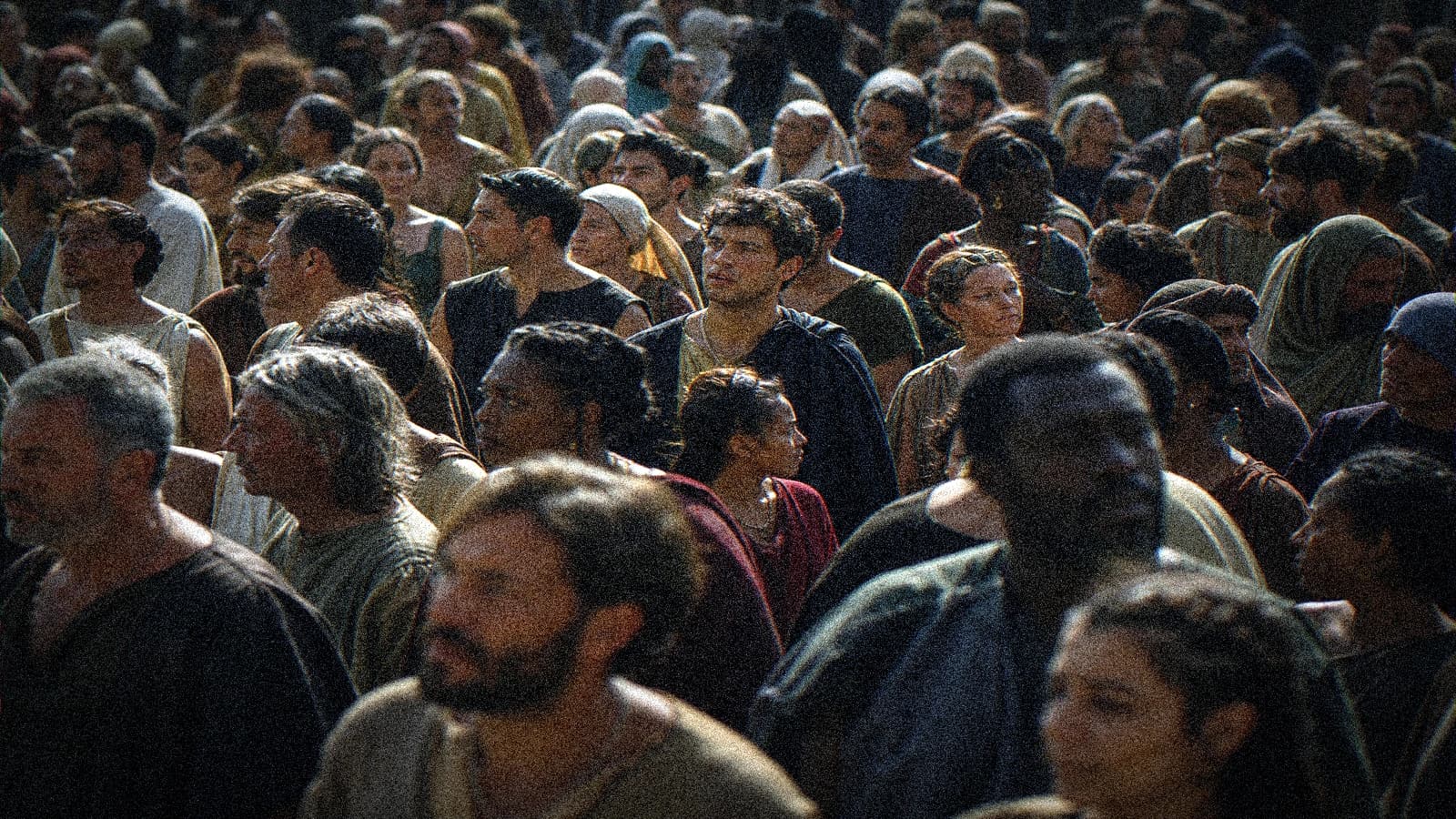
Breakdown, depth, costume variation and post for credible crowd shots in fiction and advertising.
 Tutoriels
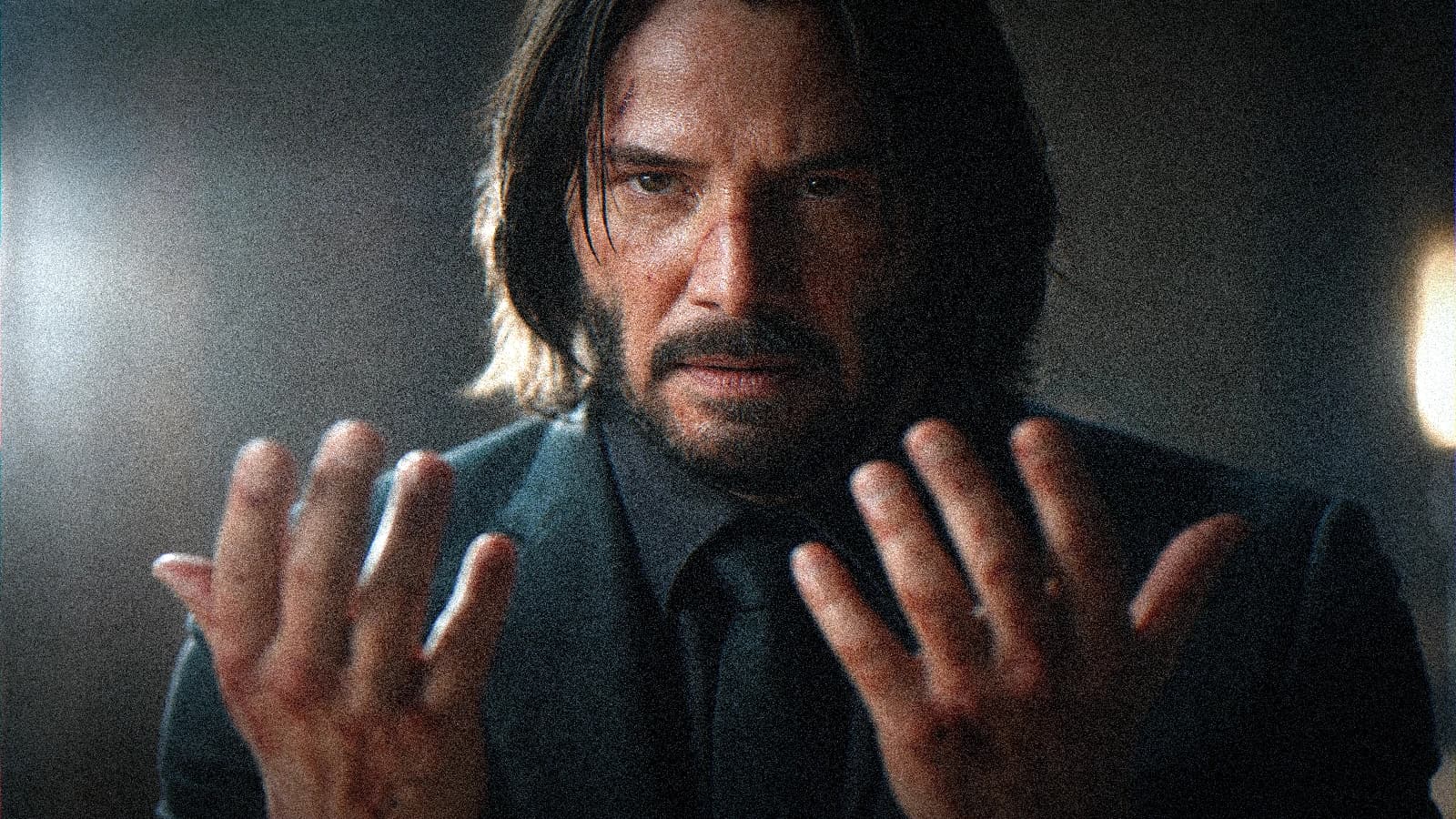
Masks, short prompts and separate passes to fix eyes, hands and teeth on an already validated pilot image.
Want the full library? The French blog has every article.