 Tutoriels
Runway tutorial 2026: animate a still image for film
Runway retired Gen-3 in July 2026. How to animate a still with Gen-4.5 now: credit math, motion prompts, render passes and the edit-timeline test.
TutorielsRunway retired Gen-3 in July 2026. How to animate a still with Gen-4.5 now: credit math, motion prompts, render passes and the edit-timeline test.
 Tutoriels
Practical method to preselect, test and validate cinema locations with AI without losing the field realism.
 Actualité
An expert comparison of the best AI video makers in 2026 for creating a cinematic, consistent, broadcast-ready music video.
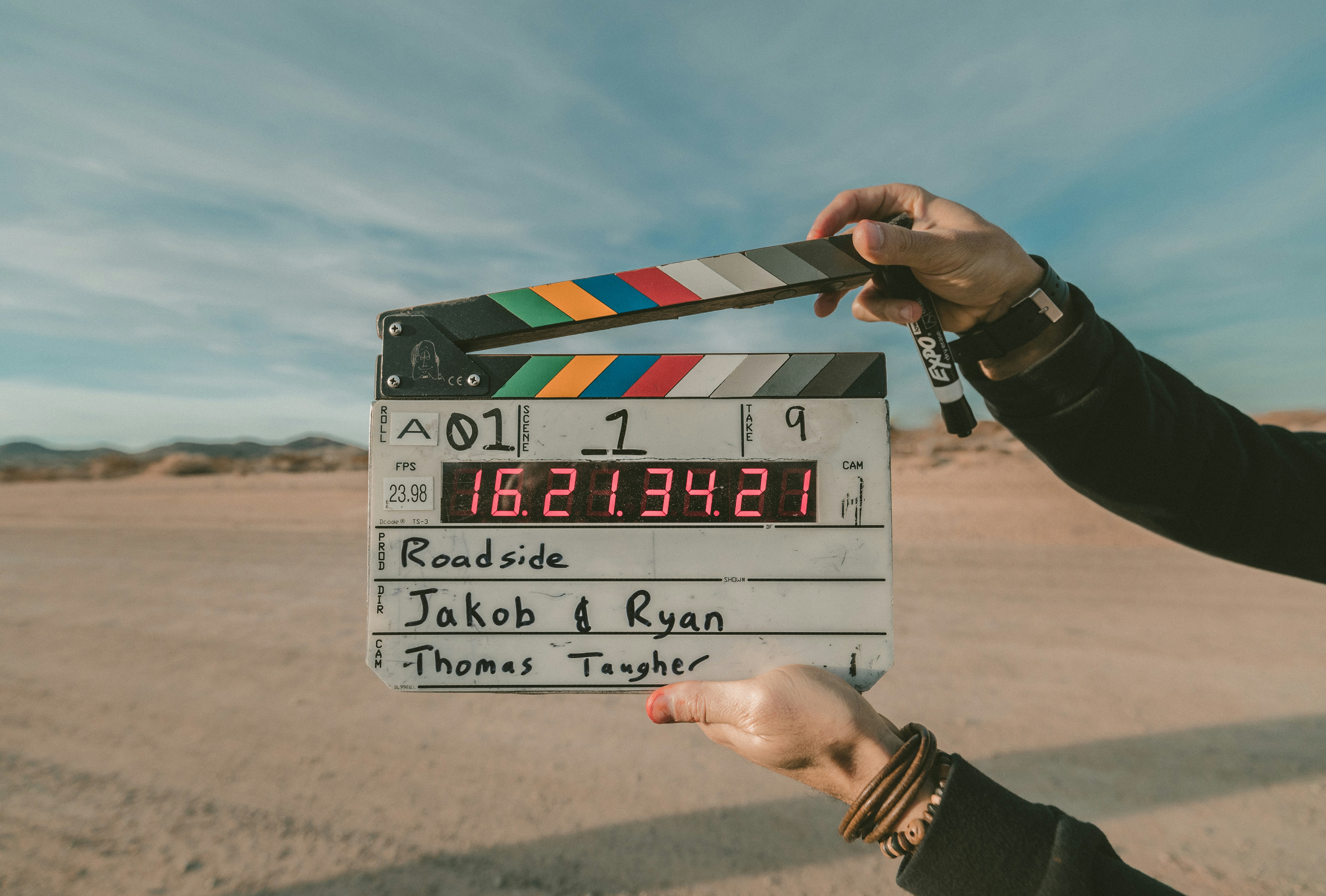 Tutoriels
A complete masterclass to write a short film with AI, from the raw idea to a shootable script, with no artificial dialogue or shaky structure.
 Guides
Beyond the magic-word lists: how to structure prompts like cinema briefs, deliver as a team, and build a career around AI video and image without getting replaced by the next model.
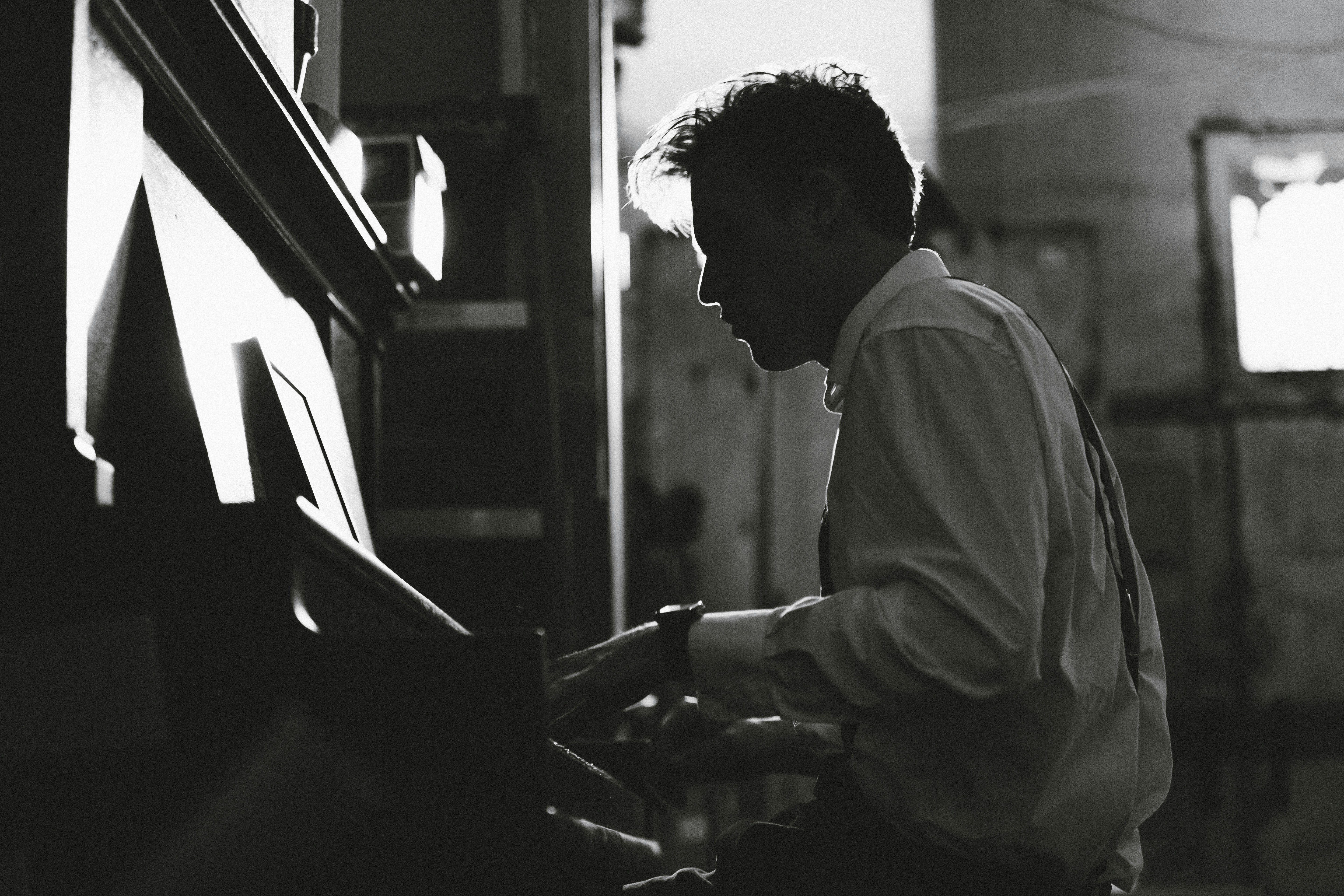 Tutoriels
A step-by-step masterclass to create a complete, coherent and production-ready AI storyboard, with no visual drift or unusable shots.
 Comparatifs
A comparison of the free alternatives to ChatGPT for writing fiction, scenes, dialogue, synopses and novels without losing your author voice.
 Analyses
Gemini, enriched search and creative workflows: what changes for SEO, proof, audiovisual production, and how to avoid publishing 'plausible but false' content.
 Tutoriels
A field method to use ChatGPT, Claude, Gemini or Mistral as improvisation partners and write truer dialogues.
 Analyses
How generative AI changes the development of ideas, scenes, characters, pitches and audiovisual writing workflows.
 Analyses
Taste, consistency, responsibility, set relationships: why AI speeds up variants but does not replace an art direction that owns risky choices.
 Comparatifs
A realistic selection to shoot, generate, retouch and edit from the phone: quality criteria, mobile traps, and workflows that survive 4G.
 Comparatifs
A map of the platforms really useful in production: image, video, sound, writing, research and workflow, with selection criteria so you do not dilute your budget.
 Tutoriels
A complete workflow to write SEO-optimized YouTube descriptions with AI: hook, chapters, keywords, resources and CTA.
 Analyses
Career path, strong ideas and what a creator can take from them: between sovereignty, engineering and industrial pragmatism, with no naivety or catastrophism.
 Business
Offers, packaging, proof, pricing and risks: a frame to sell AI creation without getting crushed by the two-euro prompt market.
 Tutoriels
A complete structure to organize characters, scenes, settings, references, decisions and production planning in Notion AI.
 Comparatifs
Comparison and workflow to translate, adapt and localize your video scripts with AI without losing the tone, the rhythm or the intention.
 Tutoriels
A concrete method to use AI as a script doctor, unblock a scene, find the conflict again and write without losing your voice.
 Analyses
A reading grid for brands, studios and independents: where AI creates value, where it weakens trust, and how to decide without getting trapped by the marketing.
 Analyses
An honest reading of the jobs that resist, those that recompose, and the skills that become rare when everyone generates 'correct' images.
 Tutoriels
A realistic training plan for creators: basics, image and video tools, ethics, portfolio and continuous updating without drowning in the hype cycles.
 Tutoriels
10 field prompts to find shootable, original, SEO-optimized YouTube video ideas adapted to a real channel strategy.
 Tutoriels
A complete method to turn a visual intuition into a clear, cinematic and presentable intention note with Tome AI.