Creating a Visual Directing Intention Note With Tome AI
A complete method to turn a visual intuition into a clear, cinematic and presentable intention note with Tome AI.
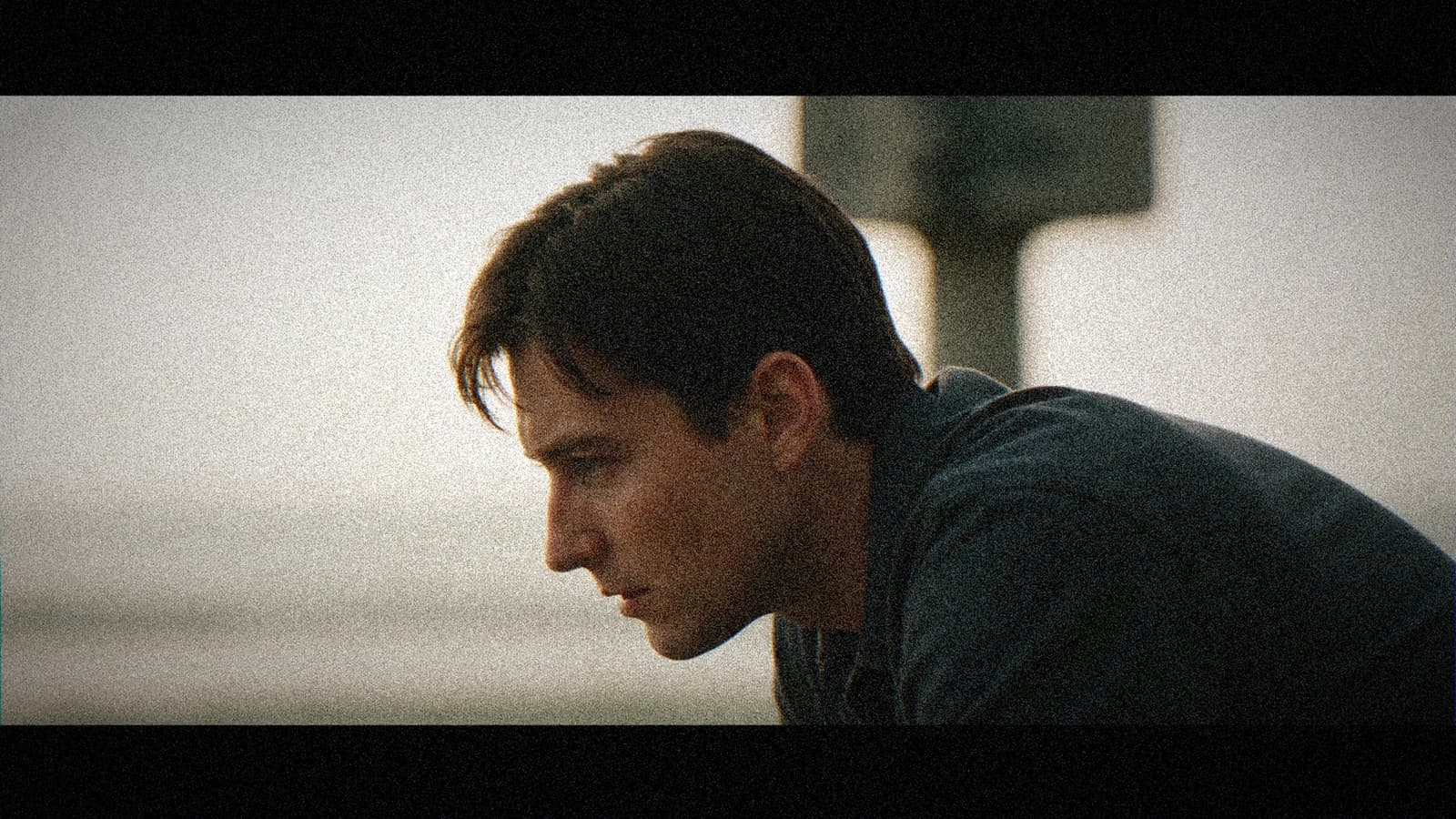
You have a film idea.
You feel it.
You see fragments: a cold light, a face in a car, a too-quiet corridor, a color that comes back.
Then you are asked for an intention note. And there, everything becomes academic.
Creating a visual directing intention note with Tome AI can help you turn your intuitions into a clear, sensitive and professional presentation. Not a soulless corporate brochure. A real vision: references, framing, light, texture, rhythm, camera movement, palette, staging intentions and emotional promise.
What a visual intention note must really accomplish
A directing intention note is not a school essay. It is a trust tool. It must make a producer, a director of photography, a client or a broadcaster feel that you know where you are going. Not that you have locked everything. That your vision holds up.
The visual part must answer a simple question: how is the film going to look at the world? The same screenplay can become naturalist, stylized, sensory, clinical, baroque, minimal. The note must explain why this approach serves the story, the characters and the emotion. If you choose a grainy image, it is not "because it is beautiful". It is because the character's world must seem unstable, fragile, lived.
Tome AI can help you organize this thinking into slides, but careful. The danger is the varnish. A presentation with nice blocks, gradients and three quotes can mask a soft intention. Your work consists of feeding Tome with precise material: key scenes, references, sensations, shooting constraints, framing choices, palette, and above all aesthetic refusals.
I often tell beginners: a vision is defined as much by what it refuses as by what it seeks. "I want a cinematic image" means nothing. "I refuse plastic skins, gratuitous flares, decorative slow motions and too-clean contrasts" starts to say something. There, we hear a hand.
A good visual note must also reassure technically. It can evoke lenses, ratio, camera movement, color temperature, setting approach, face treatment, use of silence, place of music. Not to impress. To prove that the poetry knows how to come down to the set.
To build your universe before the layout, read our method on the AI design tools for moodboards and art directions. It perfectly complements the work in Tome.
The essential components of an intention note with Tome AI
The first component is the vision statement. Three to five sentences. No more. You must say what the film seeks to make people feel. Example: "The film looks at a woman who tries to stay functional while her intimate world cracks. The camera does not dramatize her pain. It stays close, almost embarrassed to be there. The image must have the texture of a memory you cannot clean."
The second component is the emotional palette. Do not settle for "blue and orange". Explain the color families, their progression, their link with the characters. A beginning can be sickly yellow and fluorescent green, then slide toward more neutral tones when the character accepts the truth. The color tells.
The third component is the camera language. Handheld or fixed camera? Long shots or nervous cutting? Distance to the faces? Frame height? Wide lenses or long focal lengths? Each choice creates a moral relationship with the character. A too-elegant camera can betray a poor scene. A too-agitated camera can fabricate an intensity that does not exist.
The fourth component is the texture. Grain, halation, contrast, sharpness, skin, blacks, whites, practical light, visible sources. It is here that I become severe with the visual AI. The too-smooth renders kill the credibility. A professional visual note must talk about imperfections: reflections, dust, real skin, imbalances, underexposed zones, temperature mix.
The fifth component is the reference. Not a lazy Pinterest collage. Three to six references maximum, each justified. "We like this film for the solitude of the night frames, not for its global palette." "We take this photograph for the skin and the highlights, not for the setting." The more precise you are, the more your team understands.
The sixth component is the production translation. How do you shoot this with the available means? If your short film has 2,000 euros, do not build a note that demands three cranes, artificial rain and a blocked street. Tome AI must present an ambition compatible with your set.
Tome AI workflow: from the intuition to the professional deck
Start by writing raw material. Not in Tome right away. In a simple document. List ten mental images, five emotions, three key scenes, three references, three things you refuse, and the production constraints. This material is your fuel. With no it, Tome is going to smooth your project.
Starting prompt to structure: "Act as a cinema art director. From these raw notes, propose a visual intention note structure in 10 slides for a short film. Each slide must have a title, a central idea, a short text, a visual suggestion and an emotional intention." This prompt does not ask for style. It asks for an architecture.
Then, open Tome and create a first version with this structure. Keep the slides short. A slide must carry one idea. If you put six paragraphs, no one reads. The depth can be in your speech, in an annex document, or in the notes. The presentation must guide the eye.
For each slide, ask Tome AI to reformulate into a more cinematic language, but watch the hollow adjectives. "Immersive", "poetic", "powerful", "visceral" are not enough. Replace them with observable choices: camera close to the nape, sodium light, blocked backgrounds, reflections in windows, fixed shots that last two seconds too long.
Then add visuals. If you use Flux, SDXL or personal reference images, aim for the local, the realistic, the imperfect. No waxy skin, no generic perfume cinema, no too-heroic composition. An intention note must inspire the fabrication, not sell an impossible illusion.
💡 Frank's Cut: create a "what we will not do" slide. It is rare, but terribly efficient. Refusing the decorative slow motions, the gratuitous neons or the useless drone shots immediately gives a staging maturity.
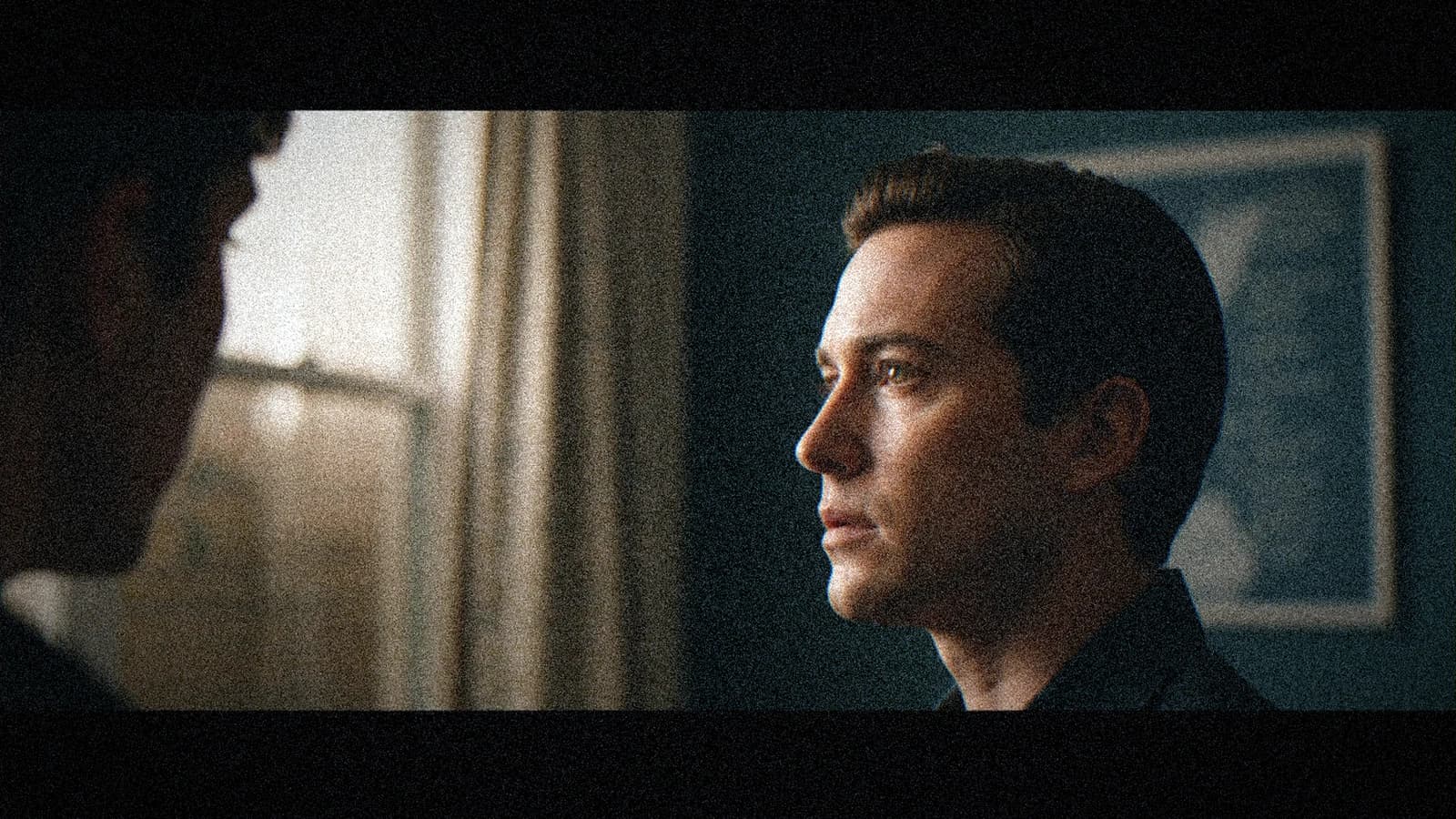
Recommended 10-slide structure
Slide 1: title, logline and manifesto image. It is the entry door. It must make the film be felt in under 10 seconds. Avoid the too-design backgrounds. Choose an image that already contains the visual conflict.
Slide 2: general intention. Three short paragraphs. You explain what the directing seeks to make people feel and why this form is necessary. Do not tell the whole screenplay. Give a compass.
Slide 3: camera point of view. Here, you describe the distance to the character, the type of frame, the stability or the instability, the relationship to the off-frame. Example: "The camera often stays slightly behind her, as if the world refused to follow her inner rhythm."
Slide 4: light. Sources, directions, contrast, temperature, relationship to the natural. You can say: "Reinforced available light, never decorative. The faces must keep shadow zones. The nights will not be blue, but polluted by the domestic lamps."
Slide 5: color. Main palette, forbidden colors, dramatic evolution. Give concrete names: clinical white, supermarket green, tobacco brown, brake red, rain gray. The abstract colors speak less than the lived colors.
Slide 6: texture and grain. Describe the skin, the sharpness, the contrast, the material. If you plan a clean digital render, own it. If you want a more organic texture, explain how: filters, diffusion, slight underexposure, grain in post-production.
Slide 7: references. Three to six images, each commented with precision. Do not put "global reference". Write: "for the solitude of the frame", "for the kitchen light", "for the moral distance", "for the texture of the blacks".
Slide 8: key scenes. Show how the visual direction evolves over two or three moments. It is here that the note becomes concrete. We understand that your vision is not decorative, but narrative.
Slide 9: constraints and shooting method. Light team, real locations, schedules, gear, light approach, rehearsal time. Producers like the visions that know how to count.
Slide 10: final promise. One strong sentence, one image, one sensation. No summary. A last imprint.
Complete example for an intimate short film
Project: a woman comes back to empty her father's apartment after ten years of silence. Bad intention: "I want a dark and melancholic image with a poetic atmosphere." Too vague. It guides no one.
Good intention: "The film must look like an apartment that kept breathing without her. The camera stays low, close to the furniture, as if the objects had more memory than the characters. The late-afternoon light enters in fragments, never like a complete revelation. The faces are often cut by the door frames, because this family never knew how to talk to each other face to face."
In Tome, this intention becomes a series of very concrete slides: low frame, doors as separations, dust visible in the light, cold beige and worn wood palette, absence of music on the gestures, fixed shots of 8 to 12 seconds. Do you see the difference? The team can work.
Tome AI prompt: "Turn this intention into 10 sober and cinematic slides. Direct, sensitive tone, with no marketing jargon. Each slide must contain 60 words maximum and a precise visual suggestion." After generation, cut more. The strongest decks breathe.
Example for a high-end local ad
Project: ad for an independent restaurant. Danger: making a generic food video with sauce slow motions, flames, a smiling chef and a knife close-up. We have seen that a thousand times. You need a more human intention.
Vision: "Film the restaurant as a place of transmission, not as a product. The camera follows the hands before the plates. The light comes from the real sources: kitchen, dining room, street. The imperfections stay: steam, flour traces, service fatigue. The edit must make people hungry, but above all make them want to trust."
In Tome, you can create a note for the client: atmosphere, palette, rhythm, scenes, sound treatment. Add a "what we avoid" slide: stock footage, too-shiny food, forced smiles, corporate music. The client understands that you protect their authenticity.
To work this type of project with realistic AI images, consult our guide on Adobe Firefly and the image generators for creatives.
What beginners break in a visual intention note
The first mistake is to confuse moodboard and intention. A moodboard shows images. An intention explains why these images count and how they influence the shooting decisions. With no precise text, your deck becomes pretty but mute.
The second mistake is to pile up too many references. Ten films, fifteen photographers, three clips, two ads, a painting, an anime. No one knows what to follow. Choose few, but comment well. An unexplained reference is a decoration. An analyzed reference becomes a production tool.
The third mistake is to use abstract words. "Organic", "premium", "cinematic", "immersive", "authentic". These words can exist, but they must be linked to visible choices. "Authentic" becomes "available light, non-frozen actors, imperfect gestures, settings not over-cleaned."
The fourth mistake is to over-promise technically. If you show images worthy of a 20-million feature while you shoot in two days in an apartment, you create a frustration. The ambition must be high, but achievable. Professionalism is also knowing how to translate a vision into constraints.
The fifth mistake is to let Tome AI write a too-corporate tone. Reread each slide. If you see "unique immersive experience" or "captivating visual universe", cut. Replace it with the concrete. The reader must feel a director, not a brochure.
The sixth mistake is to forget the sound and the rhythm. Even a visual note gains from evoking the tempo, the silences, the breathing of the shots. The image does not live alone. A fixed camera with a long silence does not tell the same thing as a mobile camera with a constant musical bed.
FAQ: visual directing intention note with Tome AI
Can Tome AI really create a professional intention note?
Yes, Tome AI can help to structure, format and clarify an intention note, but it does not replace your vision. The result becomes professional when you supply precise material: commented references, camera choices, light, color, texture, key scenes and production constraints. With no that, Tome will produce a clean but generic presentation. Use it as a deck architect, not as a director.
What should you put in a visual intention note?
A good note includes a general vision, a camera point of view, a light approach, a color palette, an image texture, justified references, key scenes and a shooting method. It must explain how the form serves the story. Each visual choice must answer an emotional or narrative intention. If a slide guides no concrete decision, it is probably decorative.
How many slides to plan?
For a short film, an ad or a clip, 8 to 12 slides are often enough. Beyond that, you risk diluting the vision. A slide must carry a clear idea: camera, light, color, texture, reference, key scene. If your project is a feature or a series, you can develop more, but keep a short version for the first exchanges. The decision-makers read fast, especially at the start.
How to avoid a too-generic render with Tome AI?
Give Tome aesthetic refusals as much as inspirations. Write what you do not want: no plastic skin, no gratuitous neons, no decorative flares, no too-advertising visuals. Replace the abstract adjectives with observable shooting choices. After generation, rewrite the slides that sound like a brochure. A strong note must have a personality, not only a beautiful layout.
Can you use AI-generated images in the note?
Yes, if they serve the art direction and stay honest relative to the project. Avoid the too-perfect images that promise an impossible render. Favor realistic, imperfect visuals, close to the locations and faces you could really film. Sometimes indicate that these images are texture or atmosphere references, not definitive shots. It avoids the misunderstandings with the team or the client.
What is the difference between a moodboard and an intention note?
The moodboard gathers visual references. The intention note explains the logic behind these references. A moodboard can say "here is the atmosphere". A note says "here is why this atmosphere serves the character, how we are going to fabricate it, and what we will avoid". The two tools complement each other, but the note is more strategic. It links aesthetic, narration and production.
How to present the light in a visual note?
Talk about sources, direction, contrast, temperature and dramatic motivation. Avoid only "soft light" or "cinematic light". Say rather: "side window light, partially underexposed faces, visible practical sources, mix of tungsten and cold outdoor light". Also explain how the light evolves in the story. A good light description helps the director of photography understand your intention without locking them in.
Is it useful for a project with no big budget?
It is even particularly useful. A clear note avoids compensating for the lack of money with fuzzy ideas. It helps the team focus its efforts on the right choices: locations, schedules, frames, props, available light, texture. A small budget with a consistent visual direction often seems more professional than a better-equipped project with no vision. The constraint can become a style, if it is owned.
Related articles
 Tutoriels
How to Create Visual Storytelling with No Dialogue
Telling a clear story with the image, the frame, the light and the rhythm, without depending on dialogue.
 Tutoriels
How to Create Visual Tension in an AI Scene
Building credible visual tension in AI with frame, light, rhythm and narrative contrast.
 Tutoriels
How to Fix a Bad Visual Composition
Horizon, lines of force, subject hierarchy, and frame breathing: fixing before regenerating endlessly.