How to Create an AI Video Ad Like a Pro Agency
Client brief, variants, compliance, deliverables, and finishing that passes the creative review.
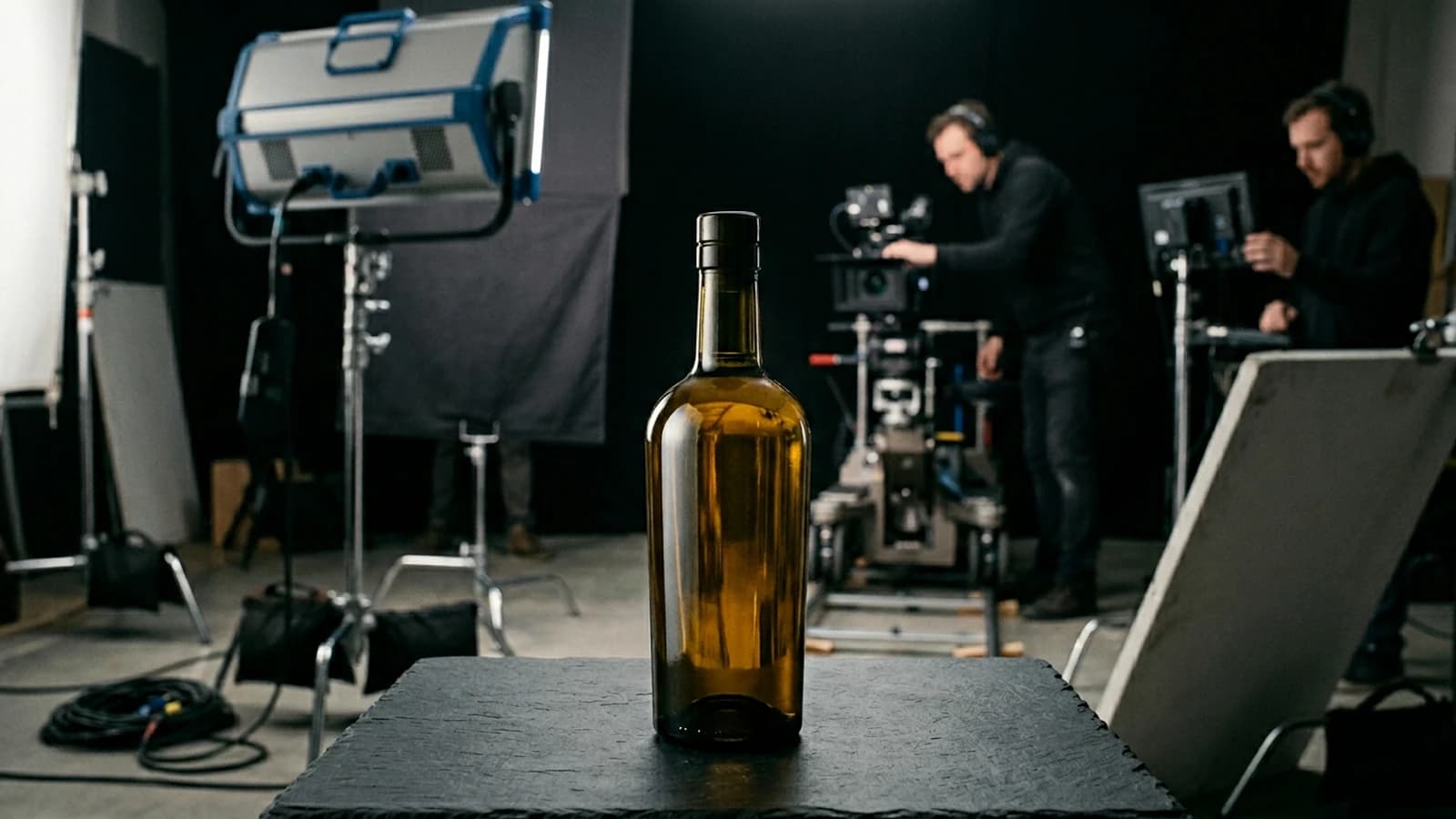
A pro ad is not a demo of a tool's capability, nor a race for the wow effect if the product message disappears under the technique. It is a brief translated into images accepted by a validation chain, delivered with clean masters, useful variants, and a traceability of what is generated or retouched. AI changes the speed, not the obligation of client clarity. This guide mixes agency method and generative technique: real scenarios, production workflow, compliance table, trench warfare, encyclopedic links, four internal links, FAQ.
Scenario A. The team delivers a magnificent master. The client asks for the version with no integrated subtitles, the 1:1 version, the six-second version, and the version with a final packshot. Nobody kept the layers or the prompts. Redoing it costs more than expected.
Scenario B. The creative goes to legal review. Unauthorized logos appear on generated products. The campaign slips.
Scenario C. The "AI" video is rejected because the faces slide between the shots. The problem was not the budget, it was the absence of a continuity sheet and cautious framings.
What changes with AI in an agency, and what does not change
Does not change. The brief, the validation, the brand compliance, the management of feedback, clear billing, the proof of license, the respect of safe zones, the audio quality, the editing rhythm.
Changes. The speed of exploring directions, the marginal cost of a visual variant, the need for traceability of prompts and seeds, the risk of illicit generated details, the requirement to clean the images before publication.
The client does not pay for the model, they pay for the decision. Your quote must reflect the judgment, the legal framing, the rework in editing, not only the number of clips coming out of the pipe.
The minimum viable brief, before any prompt
Unique proposition in one sentence. What the viewer must retain after one reading.
Social proof and testimonials. If the brief requires UGC or quotes, check the authenticity and the rights. If it is synthetic, make sure the client accepts the required labeling.
Target and distribution context. Social network, web TV, pre-roll, trade show, each context imposes durations, ratios, safe zones.
Tone and brand prohibitions. Humor, seriousness, no violence, no clichés, an honest list.
Listed deliverables. Durations, ratios, versions with and without text, languages if voice-over.
Legal constraints. Talent rights, music, brands, countries of distribution.
A vague brief produces vague prompts. Vague prompts produce expensive back-and-forth.
Short narrative structure, eight to thirty seconds
Hook 0 to 2 s. A strong image readable in silence. Avoid details that require a long reading, start with the silhouette or the product.
Promise 2 to 6 s. Product, benefit, or targeted emotion. A single dominant message, not three superimposed promises.
Proof or demonstration 6 to 12 s. Detail, use, visual social proof if authorized.
Final call to action. Logo, URL, slogan, packshot.
Adapt the durations to the medium. A six-second pre-roll compresses everything into two beats.
Beat sheet in seconds. Write one line per second or per two-second block: what must be understood with no sound, what needs the voice-over, what is on-screen text. Mobile media often mute on scroll, the visual message must hold with no audio.
Regional variants. If you have to deliver three languages, plan for shots with negative space for the localized text rather than text burned into each take. AI loves burning text, it is a retouch debt.
A pro ad is a contract of comprehension in a few seconds. If you do not know what the viewer must understand at second 3, the generative will not invent it for you.
Agency workflow, from the mood to the delivery
Step 1: moodboard, three directions maximum
Not twelve. Three directions translated into light and palette rules.
Step 2: direction validation
A stakeholder signs off on a direction before mass generation.
Step 3: storyboard or shotlist
Even textual. Numbered shots.
Step 4: pilot image generation per shot
Lock the light and the ratio.
Step 5: controlled motion
Short clips, simple movements, retakes if sliding.
Motion plan B. If the face drifts, reframe on the back, hands, product, silhouette. The ad has to pass the validation, not win a face-shot prize.
Stabilization. Prefer stable sources rather than a heavy stabilization that eats the edges and reveals AI artifacts.
Step 6: offline edit
Hard cut, rhythm, mix.
Step 7: compliance
Safe zones, sound levels, flashes if there is regulation.
Photosensitivity. If there are strobe effects, check the local rules and the platform warnings.
Watermark preview. Client previews carry a light watermark if the invoice is not paid, an agency policy to clarify in advance.
Step 8: deliverable package
Masters, proxies, prompt captures, changelog.
Step 9: client QA on device
Phone projection, desktop screen, sometimes a low-bitrate meeting screen. What is beautiful on an Apple XDR can be unreadable on a cheap screen.
Step 10: freeze and archive
Frozen folder, checksum if it is internal policy, read access for rework six months later.
Quote and variants. Clearly indicate "included: 2 mood directions, 1 chosen direction, 3 sizes, 1 master with no text". Each out-of-scope variant is a billing line or a signed change order.
Delivery compliance table
| Deliverable | Content | Frequent mistake |
|---|---|---|
| Master | ProRes or high MOV | accidental social compression |
| 1:1 / 9:16 | dedicated reframe | auto crop on the face |
| SRT | clean timings | text burned into the image |
| Music | license PDF | a "free" track not covered |
| Brand | vector logo | blurry raster logo |
Quote, scope, and change order
A pro agency quote lists the assumptions. Number of final seconds, number of ratios, number of included review rounds, client feedback deadline, what happens if the client exceeds the deadline, what is out of scope, how many months the files are stored.
Change order. Any request that breaks the scope, new language, new packshot, new visual casting, new music, must be written and accepted. Otherwise the team dies in silence and the client believes that "it is fast with AI".
Machine credits. If you bill at the margin, document an understandable unit, generation session, final render, not obscure "tokens" for a marketing buyer. Round to the hour or the half-day to simplify.
Legal and brand safety, with no paranoia but with method
Brands and products. Avoid unauthorized real packshots. Use generic shapes or assets provided by the client under license.
Real people. Do not reproduce identifiable celebrities or clients without a framework. Visual archetypes are less risky than exact mimicry.
Music and voice. AI voices are subject to the provider's terms. Stock music with proof of purchase. If the client brings a track, archive the rights email.
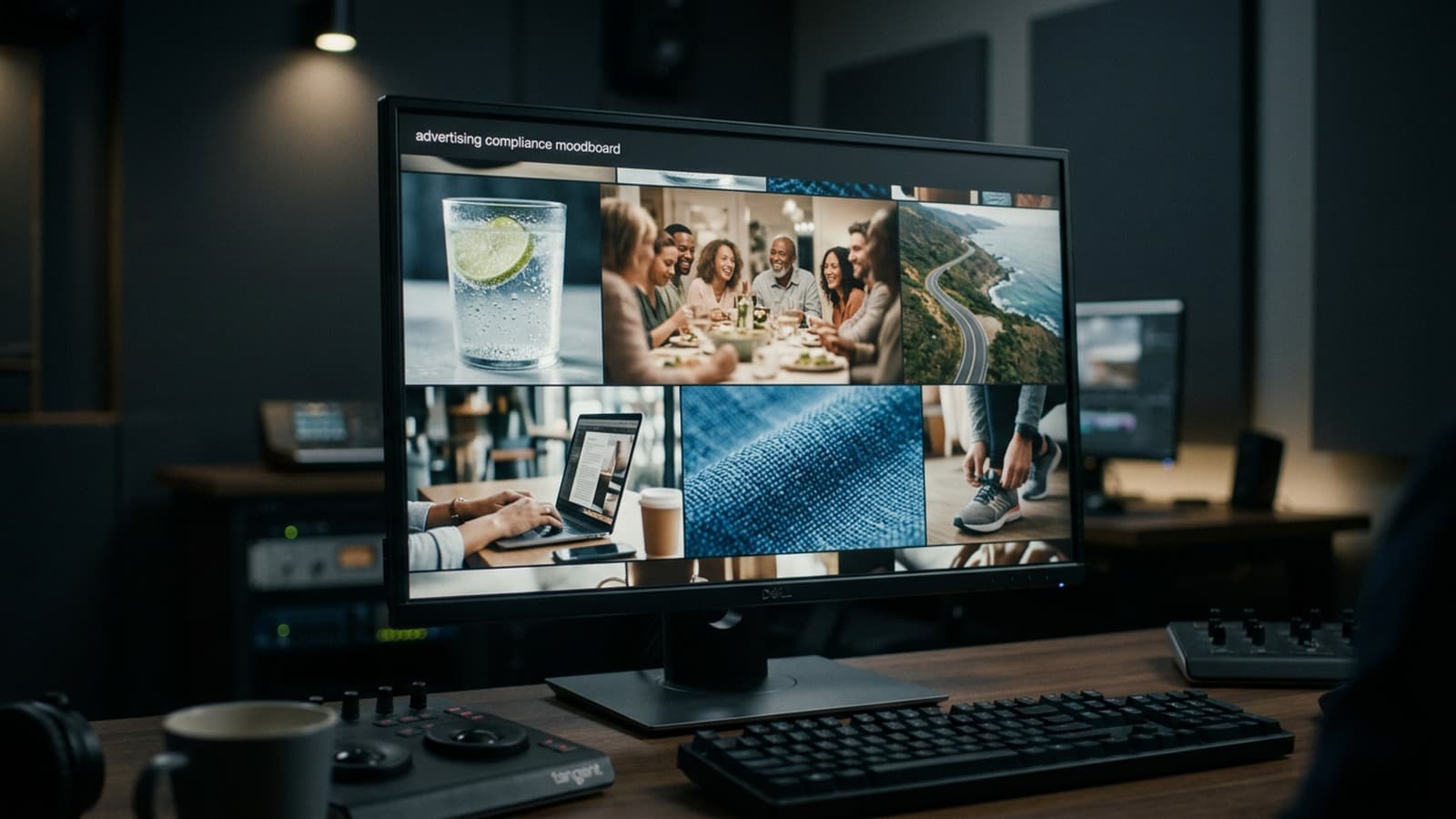
Regulatory disclosures. Health, finance, alcohol, each vertical has its obligations. The creative does not replace legal compliance, it integrates it into the brief.
Brief checklist, copy-paste for the client
Goal in one sentence. Audience. Duration per format. Ratios. Tone. Prohibitions. Proofs to show or to avoid. Logo and charter provided yes/no. Packshots provided yes/no. Voice-over provided yes/no. Languages. Distribution date. Countries. Exact deliverables listed. Name of the final decision-maker.
If a box is empty, you refuse to launch production or you mark the assumption in writing.
Realistic schedule, even with AI
Day 1-2, brief and direction validation. Day 3-5, storyboard and pilots. Day 6-8, motion and editing. Day 9-10, compliance and exports. Margin for client feedback.
Compressing this schedule is possible, but each compression removes a margin for rework. AI accidents cost a lot when they happen the day before the media buy.
AI shortens some tasks, it does not remove the human queue of validations.
Packshot, product, and brand finishing
Clean packshot. Generate a neutral background and composite the product provided by the client in high definition when possible. Generated packaging typography is often wrong or unreadable.
Pantone or hex charter colors. Match the render on two screens. A drift on the brand color is a classic rejection in review.
End line and baseline. Place them in post with the official fonts. Ask for the vector files and the logo protection margins.
Voice-over, subtitles, and accessibility
Human or synthetic voice, in both cases, consistent levels, controlled background noise, de-esser if necessary. Clean ducking under the music.
Subtitles with readable contrast, not only pure white on white. Respect the accessibility guidelines if the client commits to them.
Translation. Plan for text expansion, German and French do not fit in the same cadences. Avoid shots too tight on the mouth if the voice-over changes length.
Grading the color for several uses
Once the master is validated, derive the 1:1 and 9:16 versions with thought-out reframes, not automatic center crops. Check the faces and the logos in the mobile safe zones.
Social exports. Sometimes a light global sharpen is destructive on mobile. Test on a phone with auto brightness.
Internal post-mortem, five questions
What drifted from the brief? Where did AI save time? Where did it hide a debt? Which prompts should be reused as is next time? Which prohibitions should be added to the client bible?
Retention of lessons. Update an internal brief template after each failed or successful project. The agency that does not capitalize becomes a farm of disposable prompts.
Handover to the media and analytics
Provide UTMs if the client uses them, and versions with no text for dynamic placements. Do not promise performance, promise compliant technical deliverables. If the client wants to optimize, plan a paid iteration after reading the stats.
Pixels and tracking are not your core business unless agreed, but you must know whether the video will be reframed by the platform and plan for adapted safe zones.
Trench warfare
Promising hyper-personalization with no margin. The variants explode in machine and human time.
Forgetting the "generated content" disclosure if required by the platform or the client.
Leaving the text in the image when the client wants it localizable.
Delivering only an ultra-compressed MP4 with no master. Impossible to correct cleanly at the pick-up.
Accepting a generated product logo with no packaging validation. The shapes and typefaces can be wrong.
Underestimating the mix. A visually clean AI ad with an absurd room noise or music badly ducked under the voice sounds amateur.
Neglecting accessible subtitles. Even if the client does not ask, propose them for social, it is often a compliance argument.
Forgetting the thumbnail. For many placements, the thumbnail counts as much as the first three seconds. Plan a dedicated frame or a still export.
Client relationship and review cycles
Framing meeting. Fifteen minutes to align the goal, prohibitions, deliverables. A recap email that captures the decisions. The oral "we understood each other" with no trace comes back as a boomerang.
Feedback palette. "I do not like it" with no criterion is forbidden. Propose three axes, light, rhythm, branding, and have them choose one priority per round.
Creative sandbox. Show low-resolution tests before committing to 4K generation or long clips. The client validates the direction on images that are cheaper in human time.
Three-line meeting report. Decisions, next actions, owners. Without that, the client forgets what they validated and you redo it for free.
Collaboration between creative, strategy, and media
The strategy must counter the aesthetic excesses with no technical vocabulary. Translate "we want premium" into constraints, low saturation, side light, airy framing, slow on the packshot. Translate "we want young" into a faster rhythm and vertical formats, not into visual clichés that age badly.
The media imposes durations and hooks. A media planner who asks for three seconds of brand before the skip is not an enemy of the creative, it is a design constraint. Write it in the brief and storyboard from the start.
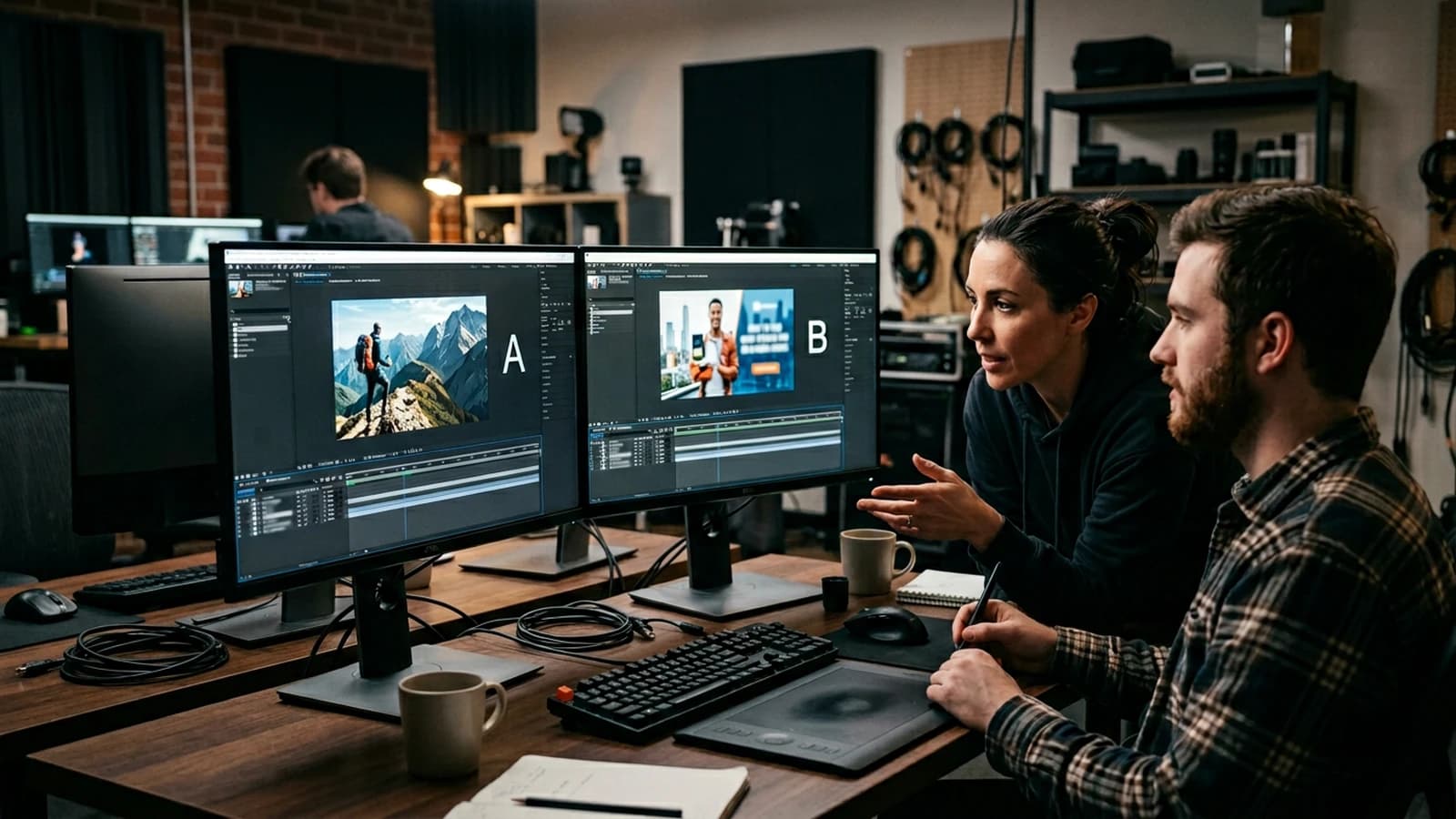
A/B tests sometimes need two distinct visual hooks, not two LUT colors. Plan two openings if the budget includes it, otherwise document that the test is limited.
For the marketing vocabulary, marketing. For the communication, communication. For the storyboard, storyboard. For branding, brand reminds us that logo and promise must stay aligned in the delivery.
Sample project folder, simple tree
01_brief, 02_mood, 03_storyboard, 04_stills, 05_motion, 06_audio, 07_exports, 08_legal, plus a one-page README for fast onboarding. In 04_stills, a prompts.txt per scene. In 07_exports, name with _master, _social, _clean. Freelancers and interns find their way with no archived Slack.
Naming. client_campaign_shot02_v03_date.png avoids chaos. The v03 must correspond to an entry in the changelog. Add _INTERNAL to the files not meant for the final client.
Useful links in the AI Studio series
- How to structure an AI video like a real film
- How to create consistent scenes with several shots in AI
- How to write an effective script for an AI-generated video
- How to turn an AI image into fluid, credible video
Foire aux questions
Réponses rapides aux questions les plus fréquentes sur cet article.
Flat fee or time billing?
Document the number of included variants. The flat fee requires a frozen scope, the time billing requires a transparent hours report.
Who signs the brief?
A single named decision-making contact. Vague committees kill deadlines.
Free AI music?
Check the license and the territory. Archive the PDF or the purchase capture.
Should I deliver the prompts?
Depending on the contract, often a summary is enough. The tool secrets can stay internal if the final deliverable is validated.
TV formats?
Safe title templates, EBU R128 audio if applicable. Ask the media planner for the exact spec.
Generated actor rights?
A contractual framework, not only technical. The client must know what they broadcast.
How do I handle a rush?
Fewer shots, more quality. Reduce the beats, not the compliance.
Creative review in how many rounds?
Set a max number in the quote. Beyond that, a change order is mandatory according to the signed contract.
The client wants "viral".
Translate it into measurable goals, three-second retention, click rate, not into an empty magic promise.
Should I include sound design?
At minimum room tone and clean transitions, clearly audible. Propose a sound pack if the budget allows.
How do I prove originality?
A dated internal log, versions, and a policy of non-reuse of client assets.
Fake UGC, a risk?
High if the audience believes in a real testimonial. Be transparent with the client about the local obligations.
Can you use the logo in a prompt?
It is better to composite a clean vector logo in post to avoid distortions.
How do I handle a client who wants "exactly like competitor X"?
Refuse the copy, propose a distinct documented direction, protect the agency legally.
Do I need errors and omissions insurance?
Depending on the agency size and the clients, to discuss with your counsel, especially if you deliver regulated campaigns.
Can internal demos be public?
Not without music and brand rights, use separate demo assets.
Editorial compliance section
Useful internal links:
Related articles
 Tutoriels
How to Frame an AI Image Like a Cinema Pro
Concrete framing methods to give your AI images a clear, cinematic visual reading.
 Tutoriels
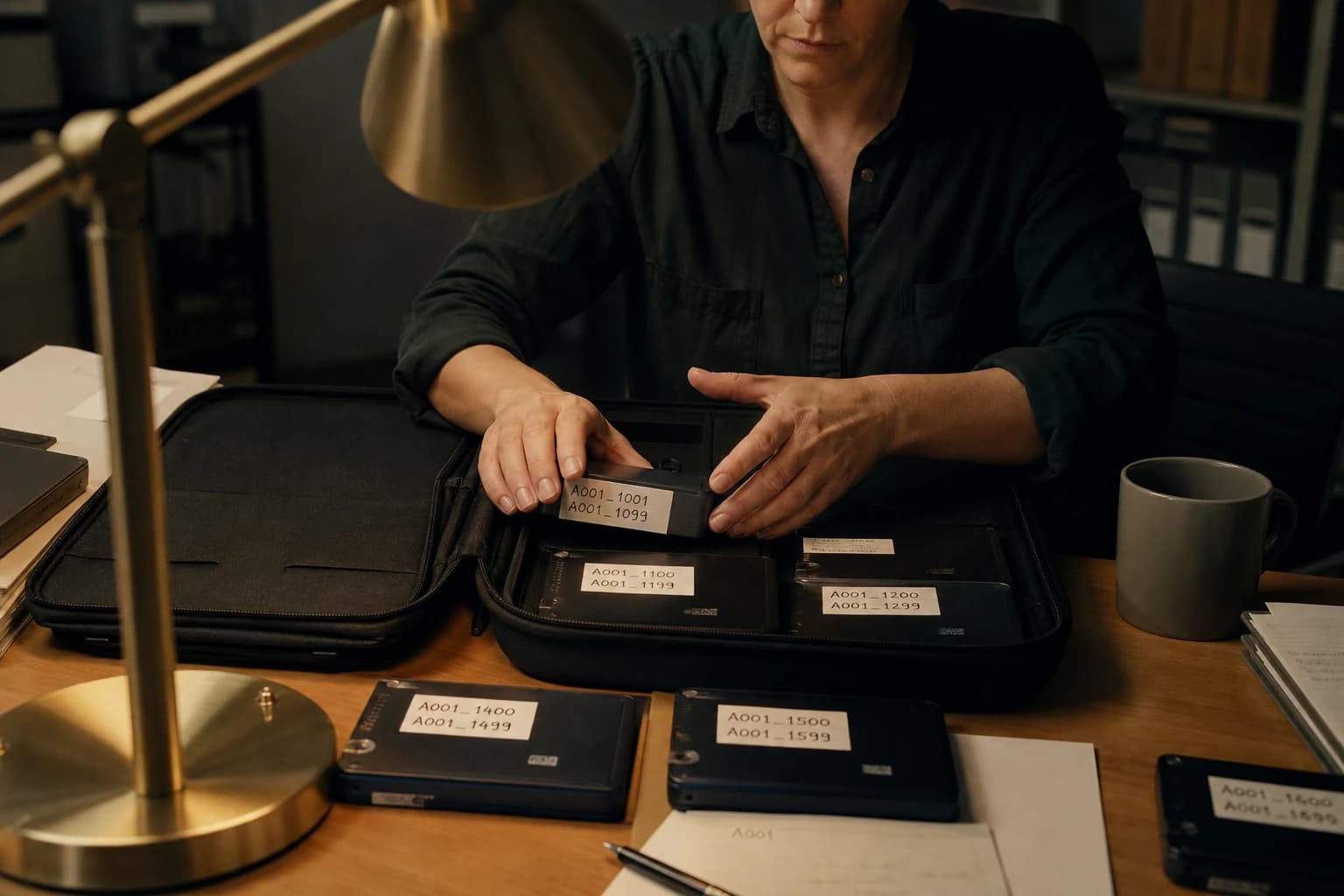
How to Organize Your AI Assets Like a Pro
A complete method to organize AI assets, folders, naming, metadata, versions and delivery without losing the thread between image, video, voice and editing.
 Tutoriels
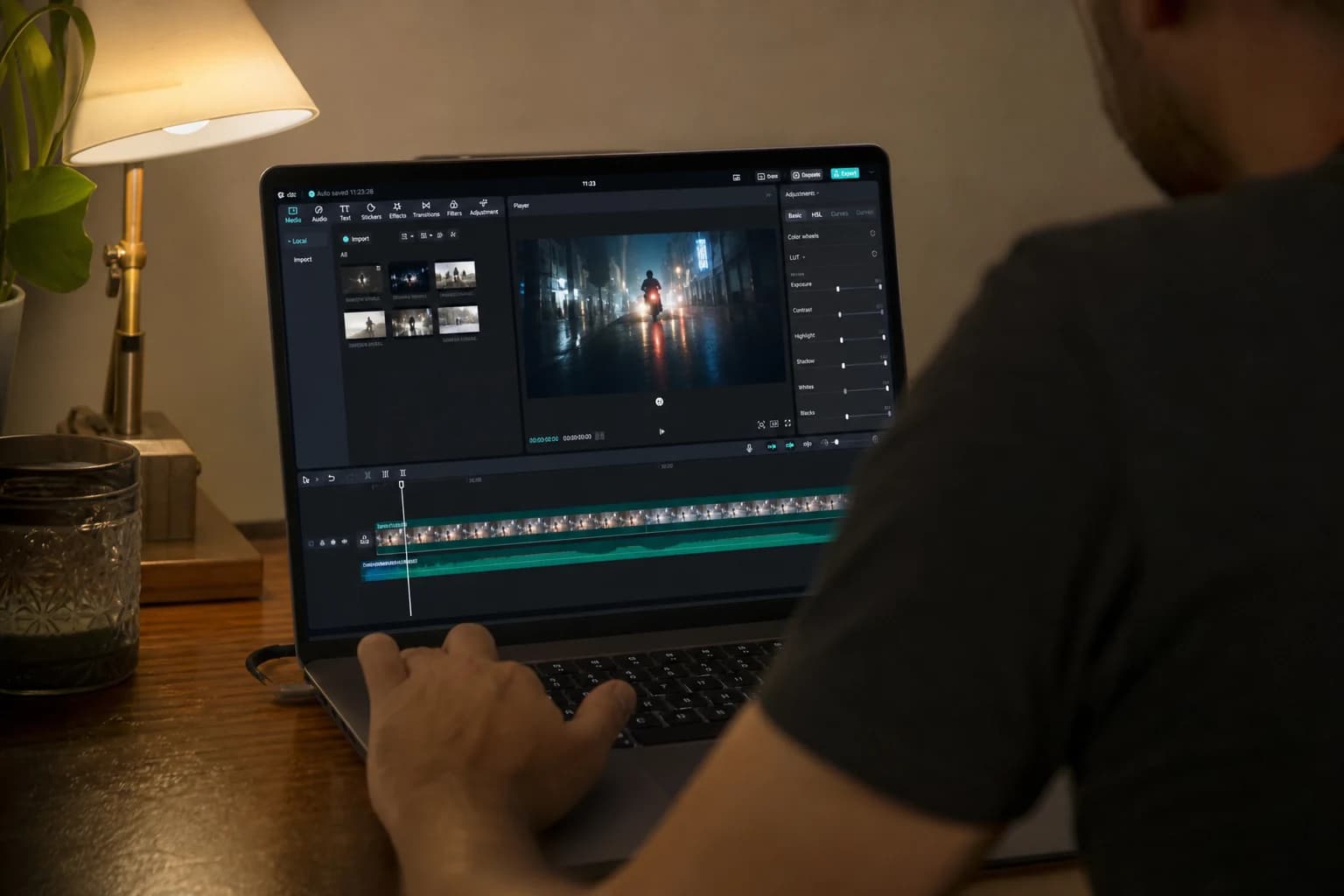
How to Edit an AI Video in CapCut Like a Pro
A field workflow to edit an AI video in CapCut with no plastic render or chaotic timeline: organization, rhythm, audio, finishing and exports that hold up on mobile as well as on a desktop.