Organizing a Client Brief for AI Video Production Without the Blur
A results-oriented brief structure to frame expectations, budget and realism level before the first generation.
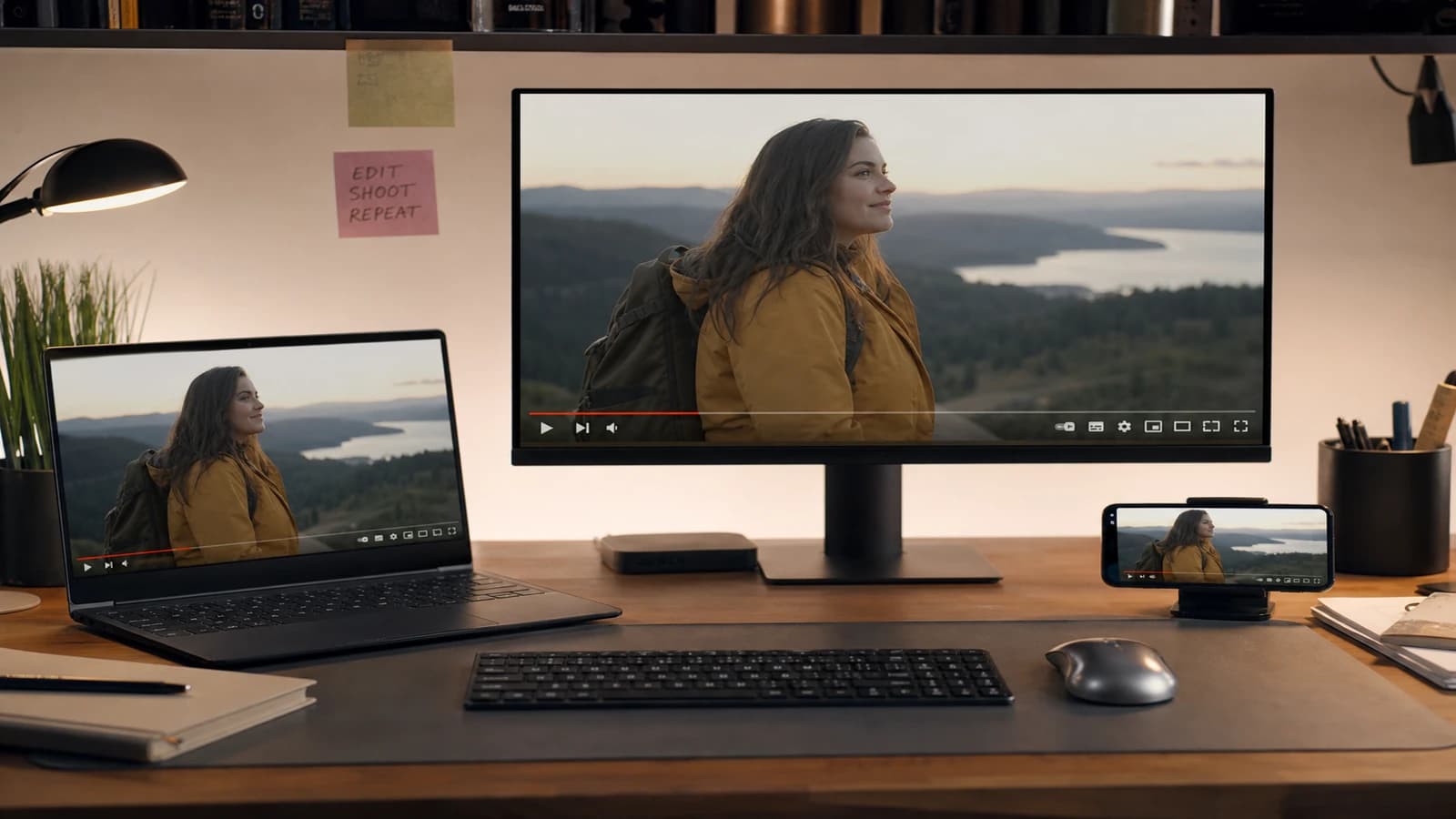
The client says "we want something cinematic, premium, that pops". You generate. They reply "it is not our brand". Third wave, melted margin, tense relationship. The problem was not Midjourney or Runway. It was the absence of a locked brief before the first generation.
Organizing a client brief for AI video production without the blur turns vague intentions into usable constraints: a measurable goal, sorted references, an owned AI realism level, technical deliverables, milestones, a single approver, written out-of-scope. This guide lays out the one-page structure, the kickoff workflow, and the sentences that stop scope creep before it burns your credits.
What the blur really costs
Without a brief, every client return becomes a new creative direction. New direction equals new generations equals credits plus unbilled hours. The blur on realism ("we will see in post if it looks fake") creates disputes at the end of the project when the marketing director compares your render to a Canon shoot spot.
The blur on deliverables ("we also wanted a vertical version") turns a flat fee into free work. The blur on validation (three contacts with no hierarchy) gives you contradictory feedback on Friday night.
In AI, the cost of a wrong direction is measurable: prompt hours, face regen, styleframe overhaul. The brief is not agency bureaucracy. It is a budget and reputation firewall.
Contract and clauses: a client contract clause for AI-generated content. Brand storytelling: adapting brand storytelling and AI video content.
💡 Frank's Cut: send the brief written by you after the call for written validation within 48h. Silence equals agreement; corrections arrive before generation, not after twelve shots.
The ten blocks of the one-page brief
Each block fits in three to five lines maximum on one PDF or Notion page.
- Business context and goal: one sentence plus a KPI if possible (views, leads, awareness).
- Target and use: who watches, where, on which device first.
- Single message: one driving idea. Not five equal benefits.
- References and anti-references: 3 likes plus 2 never-this. State if filmed or AI.
- AI realism level: photorealistic grain, brand stylized, hybrid, abstract.
- Script and voice: provided or to be written, AI/human/no VO, languages.
- Technical deliverables: durations, formats, resolution, codecs. See optimizing export and codecs for AI video delivery.
- Schedule and milestones: script, styleframe, V1, master validation dates.
- Validation process: who validates, how many rounds included, response time.
- Budget and out-of-scope: amount, what is not included (unlimited regens, extra formats).
Brief summary table
| Block | Key question | Risk if empty |
|---|---|---|
| Goal | Why this video now? | A beautiful useless video |
| Message | What single sentence? | A scattered edit |
| AI realism | What owned level? | "Fake" disappointment |
| Deliverables | How many files exactly? | Unpaid overproduction |
| Validation | Who decides last? | Contradictory feedback |
| Out-of-scope | What triggers an amendment? | Melted margin |
A four-step kickoff workflow
Step 1: a pre-call questionnaire (15 min)
Send before the call: goal, references (links), deadline, budget range, legal constraints (regulated sector, image rights). The client arrives prepared; you do not discover the oral brief contradicting the marketing PDF.
Step 2: a structured 45-minute call
10 min business context. 15 min references, anti-references, AI realism level (show 4 stills if possible). 10 min technical deliverables and uses. 10 min validation, rounds, out-of-scope. A single note-taker. A recording with consent if there is a team.
Step 3: a written brief plus moodboard within 24h
Send back a one-page brief plus 6 to 12 captioned mood images ("I like the light", not just a Pinterest image). Ask for a written GO before serious generation. A template email at the end of the article.
Step 4: a locked styleframe
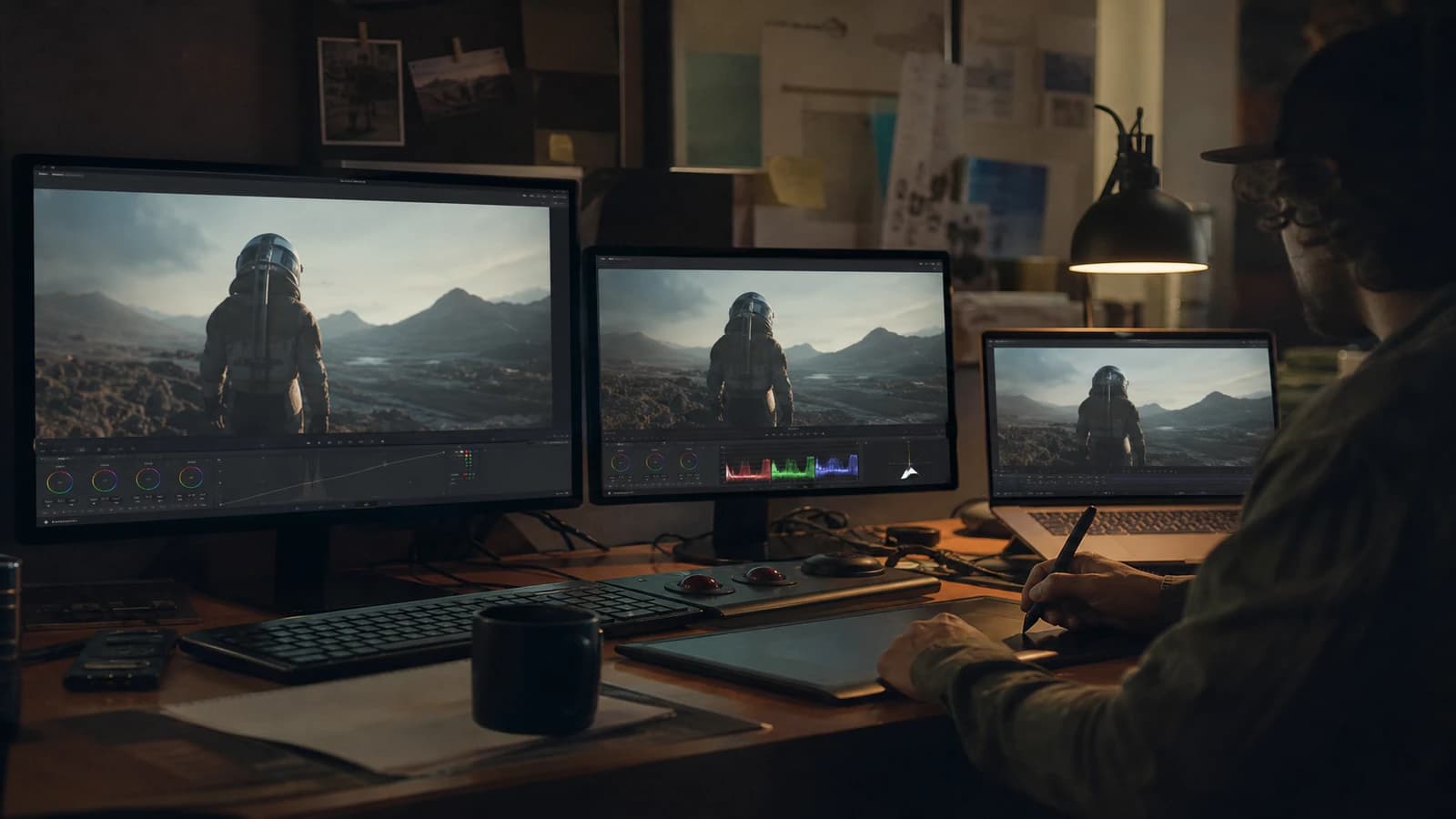
One hero shot that summarizes the look plus realism plus visual casting. Written validation before the next twelve shots. See consistent scenes across multiple AI shots. The validated styleframe equals the end of creative image round 1.
Kickoff workshop: five questions that unlock
- What must happen in the viewer's head at the end?
- What is the worst thing visually (a concrete anti-reference)?
- Who says no internally on this project (legal, CEO, product)?
- Where will the video be seen first (feed, living room, intranet)?
- What is out of budget if requested in addition?
These questions avoid the "surprise me" that costs three waves of gen.
AI realism level: a discussion grid
Show four labeled stills: A photorealistic grain, B flat brand stylized, C hybrid real product plus AI background, D abstract motion. The client points to a letter. You note it in block 5. No more "we will see" debate.
Also specify: public faces (banned / composite / stock), on-screen text (generated / composited), hands and products (owned difficulty level).
AI video brief vs classic shoot brief
The AI brief must spell out what will be generated, composited (logo PNG, photo packshot), or client-provided. A classic shoot brief is not enough: the client imagines a physical set. Add: number of planned shots, known AI limits, included regen rounds, single approver.
Without this distinction, they compare your render to a Red Komodo spot and you lose before the V1.
Real scenarios
Tight-budget startup. A minimal one-page brief, 1 format, 2 rounds included, a mandatory styleframe. No unplanned 9:16 variants. A written change request beyond that.
Big brand. Brief plus a technical appendix plus music legal. A named compliance validation if the sector is regulated. Milestones spaced 48-72h apart. Link copyright of AI-generated images.
Intermediary agency. Clarify who validates what between the agency and the final brand. Two validators equal two hierarchy lines in the brief ("the brand decides last").
Monthly series, same client. Reuse the archived brief, change only the message and the CTA. Capitalize on export presets and the visual registry. See planning a 30-day AI production calendar.
Mistakes to avoid
Accepting "surprise me". Fix: three mood directions A/B/C to choose from.
A Pinterest brief with no captions. Fix: each ref equals a note (light, rhythm, casting).
No anti-references. Fix: show what you visually refuse.
Forgetting sound, VO, subtitles. Fix: dedicated blocks in the brief.
Promising a deadline with no AI buffer. Fix: a 20 percent cushion on generation and feedback.
Quote rounds different from oral brief rounds. Fix: repeat the quote's round count in the written brief.
One-page brief template (copyable structure)
Project title | Client | Date | Goal in one sentence | KPI | Target | Single message | OK refs (3) | NO refs (2) | AI realism [A/B/C/D] | Script status | Voice | Deliverables (list) | Milestone dates | Validator name plus email | Rounds included | Client response time | Budget | Out-of-scope | GO email signature
Fill each field in the call. Send a PDF plus a Notion link. No generation without Validator and AI realism filled in.
A client who sends a hundred references
Sort in the call: "which one for the light, which one for the rhythm, which one for the casting". Three roles max. The rest equals archived secondary inspiration, not a generation constraint. Otherwise you satisfy everyone and nobody recognizes the result.
Mid-project brief revision
Minor script revisions (numbers, typo) in the included round if you wrote it. A styleframe or realism level change equals an amendment. Write this rule in the initial brief. Forgotten oral discussions cost nights.
Brief and internal marketing teams
The one-page brief replaces ten contradictory Slack messages. A single validator avoids the design by committee where each manager adds an incompatible ref. In AI, a vague direction equals measurable burned credits. The brief is the internal firewall too, not only for the external client.
When the client says "let's do it like last time", open the archived brief, change only what must change, send back for a GO. You capitalize on presets and the visual registry instead of starting from scratch.
Scope creep: ready sentences
"It is an excellent idea for wave 2. For this quote, we stay on the validated brief." "I can add it as a change request with a mini-quote within 24h." "If we add this format, which milestone do we push?"
Train yourself to say no with an alternative. The client respects the frame when you do not give in out of fatigue.
Mapping the validators (avoiding the ping-pong)
Before the kickoff, ask: "Who validates the script? The look? The final master?" Note three names max. If the product lead and the CEO must both say yes, define the order: product first, CEO last on the master only.
When a secondary validator sends out-of-process feedback, refer to the brief: "Thanks, I integrate it for the V2 if the main validator confirms it is in scope." This avoids regenerating twelve shots because the marketing intern prefers blue.
For slow committees, block a 48h written feedback window. Past that delay, the next milestone starts on the last version sent, except for a documented blocking bug. This rule goes in brief block 9, not only the quote.
Regulated-sector brief (finance, health, alcohol)
Add a compliance block: allowed claims, mandatory disclaimers, legal mention display time, banned visuals (children, unproven before/after). AI invents numbers on screens and packaging: any on-screen text must come from a validated client document, not the prompt.
Plan a compliance round distinct from the creative round. Legal blocking at D-2 because an AI logo looks like a competitor costs more than a script review at D-5.
Post-kickoff validation email (template)
Subject: Brief validation [Project X] before AI generation
Body: Here is what I understood: goal in one sentence, deliverables listed, chosen AI realism level (letter A/B/C/D), milestone dates, included rounds, named validator. Attachments: one-page brief, captioned moodboard, styleframe to validate. Please confirm by reply or corrections before [date]. With no reply within 48h, I consider the brief valid and launch serious generation.
This email saves you when the CEO says in V2 "this is not at all what we wanted" without having read the brief.
GO checklist before generation
Brief signed by email, validated styleframe, listed deliverables, schedule with a 20 percent buffer, AI realism ticked, single validator named, written out-of-scope. Eight boxes. No GO equals no series generation. You protect the margin; the client understands that production starts after validation, not after a vague moodboard.
Foire aux questions
Réponses rapides aux questions les plus fréquentes sur cet article.
The client does not know what they want, what do I do?
Propose three mood directions A/B/C: an image plus a sentence each. The client chooses a letter. You integrate it in brief blocks 4 and 5. You do not generate "in the vague" hoping chance saves the relationship. If the client refuses to choose, bill a distinct discovery phase with a moodboard-only deliverable. Series generation starts after a GO on a direction.
Should I explicitly mention that it is AI?
Yes in the brief and often the contract. Align expectations and technical limits (hands, text, faces). Some clients require a mention at the end of the video; others ban it in marketing. Note the decision in the legal block. Avoid the surprise "we did not want it to show" if the photorealistic realism level was not validated.
How many revision rounds should I include in the brief?
Two major creative rounds is the market standard (styleframe plus edit V1 typically). Beyond that, hourly rate or an additional wave fee. Write what counts as a round: "a styleframe change equals a new round", "a script typo correction equals included". The client signs this granularity; you avoid the oral "we iterate until satisfaction".
Should the brief include the final script before generation?
Ideally yes before voice generation and synced shots. If the script changes concept after the validated styleframe, it is a change request. The brief notes the script status: client draft, to be written by you, validated v1. A floating script in AI costs more than on a shoot because each modified line can invalidate generated shots.
What do I do if the client changes a reference mid-project?
Remind them of the signed brief and the validated styleframe by email. A major new visual reference equals a new phase equals a quote or amendment. Show the gap between the initial ref and the new request. Most reasonable clients accept when it is documented. Those who refuse teach you to require a deposit earlier.
AI moodboard or filmed references?
Both. Mix filmed references (light, casting) and feasible AI examples (achievable realism level). Caption each image. Twenty images with no note are not a brief. Limit twelve active refs max; the rest in an inspiration appendix.
Does a one-page brief suffice for a ten-minute doc?
A strategic page (the ten blocks) plus a chapter and duration appendix. The page stays the compass; the appendix details without diluting the single message. The validator signs the page; the appendix can evolve on the chapter scripts without reopening the AI realism.
Contract in addition to the brief: what is the difference?
Brief equals creative and operational (what, for whom, how it must look). Contract equals legal and financial (payment, rights, confidentiality, AI clauses). The two complement each other. A brief signed by email has a moral and practical value; the contract has a legal value. Do not replace one with the other.
Related articles
 Tutoriels
Notion AI: Organizing the Production Bible of Your Film or Series
A complete structure to organize characters, scenes, settings, references, decisions and production planning in Notion AI.
 Tutoriels
Mastering Transitions Between AI Video Shots Without the Fake Effect
How to choose the cut, the match and the rhythm to link AI shots without breaking the scene's believability.
 Tutoriels
How to Add Realistic Motion Blur
After an AI video generation that is too sharp, motion blur becomes a question of perceived physics: plausible temporal integration, vectors that read together, a serious software chronology and mobile tests against the double blur that delivers, once again, a tired demo.